

April 1, 2026
April, 2026
Home › Money Through Life Stages › Starting Out: Your First Financial Foundation
TL;DR
The financial decisions you make in the first few years of earning income compound forward more powerfully than almost any decision you'll make later. Your first bank account, your first credit card, your first budget — these are not minor administrative tasks. They are the infrastructure decisions that will shape your financial trajectory for decades. Getting them right early costs almost nothing. Getting them wrong costs years. This cluster covers every first-money decision with a system, not just advice.
Most people get their first paycheck and figure out money as they go — spending first, saving if something's left, building credit by accident, and avoiding financial conversations because no one taught them where to start. The result is years of paycheck-to-paycheck living that has nothing to do with income level and everything to do with missing infrastructure.
This cluster builds that infrastructure from the ground up — the right accounts, the right first credit move, the right budgeting framework for a low or irregular income, and the beginner mistakes that are entirely avoidable once you know what they are. For the complete life stages financial system, see the Money Through Life Stages Authority Hub.
Why the First Financial Decisions Matter More Than You Think
The financial habits established in the first two to three years of earning income are significantly harder to change than the habits established later — not because they become permanent, but because they become the default. A person who starts with no savings habit and a credit card they don't pay in full will spend years unlearning those patterns. A person who starts with automated savings, a clear account structure, and one responsibly managed credit card has infrastructure that compounds quietly in their favor from day one.
The stakes feel low at this stage because the amounts are small. That's exactly why this is the right time to build the system — the cost of a mistake is lowest, the compounding window for good habits is longest, and the mental load of financial management is lightest before life gets more complicated.
Your First Bank Account: Structure Before Spending
A first bank account is not just a place to put money — it is the foundation of your entire financial system. The right structure from the start eliminates the timing problems, overdraft fees, and spending drift that follow most people into their 30s.
First Account Framework
Primary checking account: Where your paycheck lands and bills draft from. Fee-free, no minimum balance requirement. Most online banks and credit unions offer this at no cost.
Dedicated savings account: Separate institution from checking — FDIC-insured high-yield savings. Out of sight, out of spending reach. This is where your emergency fund builds. Even $25 per paycheck starts the habit.
What to avoid: Bank accounts with monthly fees, minimum balance requirements above $500, or overdraft programs that charge $30+ per event. These are profit mechanisms for the bank, not features for you.
Building Credit for the First Time
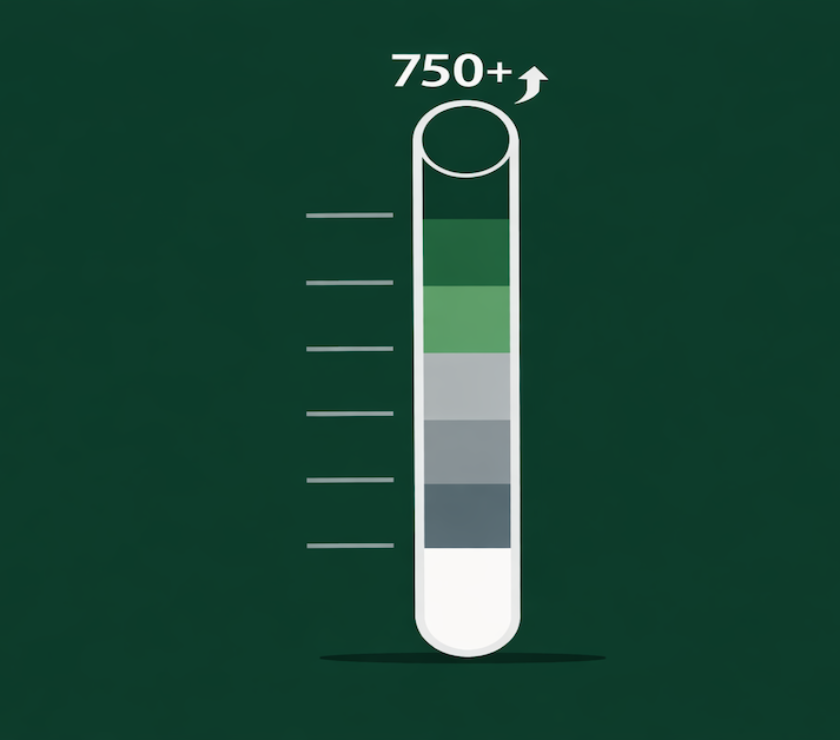
Credit is not something that happens to you passively — it's something you build intentionally. Starting with no credit history means you're credit invisible: no score, no track record, no access to the financial tools that require a credit check. The good news is that moving from credit invisible to a 650+ score takes about six to twelve months of deliberate, low-effort action.
The Right Starting Tools
Secured credit card: You deposit $200–$500 as collateral, which becomes your credit limit. The card reports to all three bureaus exactly like a regular credit card. Use it for one recurring charge per month — a streaming subscription, a gas purchase — and pay the full balance before the statement closes. After 12–18 months of on-time payments, most issuers upgrade you to unsecured and return your deposit.
Credit builder loan: Offered by credit unions and some online lenders. You make monthly payments into a locked savings account — when the term ends, you receive the funds. Payment history reports to the bureaus. Adds an installment account to your mix without consumer debt risk.
Avoid: Store cards with 25–30% APR, unsecured starter cards with high annual fees, and any product that encourages carrying a balance. Carrying a balance does not help your score — it only generates interest charges.
Budgeting When Income Is Low or Irregular
The most common budgeting advice assumes a stable monthly income. It fails immediately for someone paid hourly, tipped, part-time, or in their first few months of employment when income is inconsistent. The right budgeting framework for this stage is built around the minimum, not the average.
Minimum-Based Budgeting Framework
Step 1 — Calculate your survival expense number: The non-negotiable fixed costs that continue regardless of income — rent, utilities, groceries, minimum debt payments, essential transportation. This is the floor your system is built on.
Step 2 — Automate savings first: Even $25 per paycheck, transferred automatically the day after payday before it becomes available to spend. The amount matters less than the habit and the automation.
Step 3 — Spend from what remains: After survival expenses are covered and savings are transferred, the remaining balance is genuinely spendable. No guilt, no mental accounting — the system has already done the work.
Step 4 — Capture windfalls: Tax refunds, bonuses, birthday money — any income above your normal amount goes directly to the savings account before it hits the spending system. Windfalls are the fastest path to a funded emergency fund at this stage.
Beginner Money Mistakes That Are Entirely Avoidable
The Five Most Common First-Year Financial Mistakes
1. Spending the full paycheck: The first paycheck feels like freedom. Spending all of it before building any savings infrastructure is the single decision that sets up years of paycheck-to-paycheck living. Automate savings before spending starts.
2. Ignoring the employer 401(k) match: If your employer matches retirement contributions, not contributing enough to capture the full match is turning down guaranteed free money. Contribute at minimum enough to get the full match — on day one of eligibility.
3. Using a credit card as income: A credit card is a credit-building tool when used correctly — one small recurring charge, paid in full monthly. It is a debt trap when used to cover expenses that income can't. If the balance isn't paid in full every month, the card is being used wrong.
4. Lifestyle inflation with every raise: The raise that could fund six months of emergency savings instead goes to a nicer apartment and a car payment. The income level that feels tight at $35,000 still feels tight at $50,000 if the expense structure expands proportionally. Capture raises before lifestyle absorbs them.
5. No emergency fund before aggressive goals: Paying down debt aggressively or investing seriously without a $1,000 emergency fund means every surprise expense resets the progress. Build the buffer first — it protects every other financial goal.
Your First Financial Foundation Is the One Everything Else Builds On
The right accounts, the right first credit move, the right budget — these decisions compound forward through every life stage. The Money Through Life Stages hub maps the complete financial journey from first paycheck to long-term wealth.
Deep Dive: Starting Out Guides
This cluster hub covers the framework. For step-by-step execution on each first-money decision, use these supporting guides:
How to Open Your First Bank Account
What to look for, what to avoid, and how to set up the two-account structure that eliminates overdrafts and starts the savings habit automatically.
How to Start Budgeting When Your Income Is Low
The minimum-based budgeting framework for hourly, tipped, part-time, and early-career earners — built for income variability, not the idealized stable paycheck.
Building Credit for the First Time
From credit invisible to 650+ in 12 months — the secured card strategy, what to use it for, and the one payment behavior that does all the score-building work.
First Credit Card Mistakes to Avoid
The five ways a first credit card goes wrong — carrying balances, choosing the wrong product, applying for too many, and using it as income — and exactly how to avoid each one.
Financial Habits to Build in Your 20s
The seven systems — emergency fund, debt elimination, budget automation, early investing, credit building, insurance, goal-setting — and why the 20s are the highest-leverage decade to build them.
Frequently Asked Questions
I just got my first job. What should I do with my first paycheck?
Three immediate moves: open a dedicated savings account if you don't have one and transfer a fixed amount automatically on payday — even $25. If your employer offers a 401(k) match, enroll immediately and contribute at least enough to get the full match. Then cover your survival expenses for the month. Everything remaining is genuinely available to spend. The system runs automatically from there.
What credit score do I start with if I've never had credit?
You don't start with a zero — you start with no score at all, which the industry calls being credit invisible. FICO requires at least one account that has been open for six months and reported to the bureau within the last six months before generating a score. Open a secured card, use it for one small recurring charge, and pay it in full monthly. After six months of reporting, your first score typically appears in the 580–630 range with no negative marks.
How much should I save when my income is low?
The amount matters less than the automation and the consistency. Even $25 per paycheck builds $600 per year. The goal at this stage is establishing the habit and the account structure — not hitting a specific savings rate. As income increases, increase the transfer amount before lifestyle has a chance to absorb the difference. The habit is the asset. The balance follows.
Should I pay off student loans or start investing first?
Capture any employer 401(k) match first — always. That's a guaranteed 50–100% return on those dollars. Then: if your student loans are above 7% APR, pay them down aggressively before investing beyond the match. Below 5% APR, invest while making standard loan payments — the expected investment return historically exceeds the loan cost over time. Between 5–7%, the decision depends on your specific rate, timeline, and risk tolerance.
Resources
Related PersonalOne Guides
- Money Through Life Stages Hub — The complete financial journey from first paycheck to long-term wealth
- Early Career & Income Growth — The next life stage: salary negotiation, benefits optimization, and early investing
- Credit Building & Protection Hub — The complete credit system for building from zero to lender-ready
- Financial Stability Hub — Emergency funds, buffer accounts, and the protection layers every first-stage earner needs
Official Sources
PersonalOne Money System
This content is researched, written, and owned by PersonalOne — a free financial education platform built to help Millennials and Gen Z build real financial systems.
Disclaimer: This content is for educational purposes only and does not constitute financial advice. Individual financial situations vary — consult a qualified professional before making financial decisions.
avoid money mistakes budgeting for beginners building credit for the first time credit building beginner emergency fund basics financial foundation Gen Z financial foundation Millennials financial habits in your 20s first bank account first credit card tips first financial foundation first paycheck money plan how to start investing money basics for young adults money system for beginners PersonalOne money system Roth IRA first job saving money on low income starting out with money