April, 2026
Home › Financial Stability › Financial Shock Absorption › How to Prioritize Bills When You Can't Pay Everything
What You Need to Know
— Not all bills are equal — some missed payments have immediate survival consequences; others have delayed and more manageable consequences
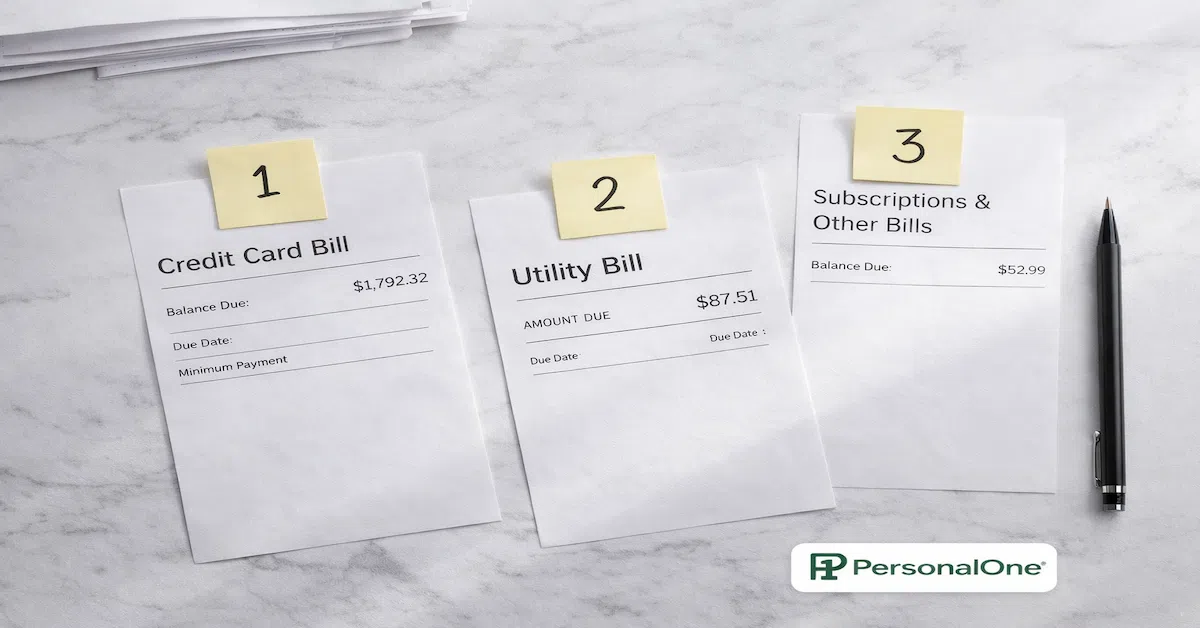
— The bill priority order in a financial crisis: housing first, utilities second, food third, transportation fourth, health insurance fifth, minimum debt payments sixth
— Credit card minimum payments are lowest priority — the consequences of missing them (fees and credit score impact) are less severe than losing housing or utilities
— Contacting creditors proactively before missing a payment almost always produces better outcomes than missing payments and then calling
— This priority order is for genuine financial crisis — not a long-term strategy — normalize bill payments as income recovers
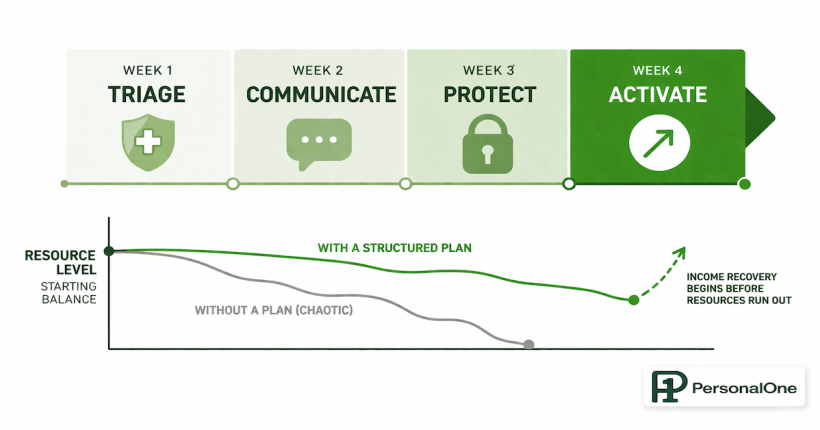
Knowing which bills to pay first when you cannot pay all of them is one of the most practical pieces of financial crisis knowledge — and one of the least taught. When you can't pay all your bills in a given month, the financial shock absorption strategy requires a triage system: pay the bills whose non-payment causes the most immediate and hardest-to-reverse damage first, and defer the bills whose non-payment is more manageable or more negotiable. The complete framework for managing financial shocks is in the Financial Shock Absorption guide.
The triage approach to bills in a financial crisis is not a permanent financial strategy — it is an emergency protocol. The bill priority order below assumes you are in genuine income disruption and are working to resolve it as quickly as possible. The financial stability framework that prevents this situation from recurring is covered in the financial stability guide.
Priority 1: Housing
Rent or mortgage is always the first payment to protect in a financial crisis. Losing housing is the hardest financial setback to recover from — it destabilizes every other part of your life and creates cascading costs (storage, temporary shelter, address instability affecting employment) that far exceed the original missed payment. Pay rent or make your minimum acceptable mortgage payment before anything else.
If you cannot make full rent, contact your landlord immediately. Many landlords will work with long-term tenants on a partial payment or short-term deferral rather than begin the eviction process, which is costly and time-consuming for them as well. Document any agreement in writing. If you own and are facing mortgage hardship, contact your servicer about forbearance options before missing a payment — the CFPB provides detailed guidance on mortgage forbearance rights.
Priority 2: Utilities Required for Safety and Function
Electricity, gas, and water are second priority. Most utility companies are required by state law to provide a disconnection notice and a minimum number of days before shutoff — which means a missed payment does not result in immediate disconnection. However, utility shutoffs create significant disruption (food spoilage from no refrigeration, inability to cook, heating loss in cold weather) and reconnection fees can be substantial. Pay minimums to avoid disconnection.
Most utility providers have low-income or hardship programs that reduce rates during documented financial difficulty. Contact your utility provider’s customer service and ask specifically about payment assistance programs. Federal and state LIHEAP (Low Income Home Energy Assistance Program) funds may also be available through your state energy office.
Priority 3: Food
Food is a survival need, not a bill — but it must be included in the priority framework because it is often underbudgeted during financial crisis. Allocate a fixed grocery amount in your crisis budget before paying lower-priority financial obligations. If food security is genuinely at risk, local food banks, SNAP (Supplemental Nutrition Assistance Program), and community food assistance programs are available resources with no cost and minimal documentation requirements in most states.
Priority 4: Transportation to Work or Job Search
Your ability to earn income depends on your ability to get to work or job interviews. Car payments and auto insurance fall here. A repossessed vehicle eliminates your income-earning ability. A lapsed auto insurance policy creates legal and financial risk. Contact your auto lender and insurer about hardship options before missing payments — most have programs that can defer or reduce payments temporarily without repossession or cancellation.
Priority 5: Health Insurance
Health insurance protects against a single medical event converting a manageable financial crisis into a catastrophic one. Maintain the minimum coverage that keeps you insured. If employer coverage is lost with employment, evaluate COBRA versus marketplace plans immediately — a marketplace plan at your reduced income level may qualify for significant subsidies that make it less expensive than COBRA.
Priority 6: Minimum Debt Payments
Minimum payments on credit cards and personal loans come last in the priority order. The consequences of missing them — late fees ($25–$40), potential interest rate increases, and credit score impact — are real but manageable compared to housing loss or utility shutoff. Before missing a payment, call the creditor and ask for a hardship deferral. Many will grant 30–90 days of deferred payments without reporting the deferral as a missed payment if you call proactively.
What to Skip Entirely During a Financial Crisis
Subscriptions, memberships, non-essential insurance riders, annual fees, and discretionary charges should be cancelled immediately. These are not bills that require triage — they are expenses that have no place in a crisis budget. Cancel every non-survival expense before implementing the priority order above.
Know the order. Protect what matters most first.
The complete framework for cutting expenses, negotiating with creditors, and extending your financial runway is in the Financial Shock Absorption guide.
Explore Financial Shock Absorption →Resources
Official Sources
CFPB — Debt Collection — Consumer Financial Protection Bureau guidance on your rights with debt collectors, what creditors can and cannot do when you miss payments, and how to navigate hardship discussions with creditors.
FTC — Debt Collection — Federal Trade Commission plain-language guide to the Fair Debt Collection Practices Act — your rights when creditors or collectors contact you during a period of financial hardship.
Return to the financial stability guide for the complete system this cluster is part of.
Frequently Asked Questions
Will missing a credit card payment destroy my credit score?
A single missed payment is reported to credit bureaus after 30 days and can reduce your score by 50–100 points depending on your current score and history. This is real damage but recoverable — significantly more recoverable than losing housing or utilities. If you must choose, protect housing and utilities first and contact your credit card issuer about hardship deferral before the payment is 30 days late.
Can my landlord evict me immediately if I miss rent?
No. Eviction requires a legal process that varies by state but almost universally requires written notice, a cure period, and a court hearing before any physical removal is possible. The process typically takes 30–90 days minimum. This does not make missing rent a good strategy — it means the consequence is not immediate and you have time to communicate with your landlord and resolve the situation before legal action begins.
Should I use a credit card to pay rent during a crisis?
Using a credit card to cover rent during a short financial disruption is acceptable if you have a clear timeline for income restoration and a plan to pay the balance before high interest compounds. Using credit cards to cover rent for multiple months without a clear repayment path converts a cash flow problem into a debt problem that is significantly harder to resolve. Treat credit card use for survival expenses as a bridge of last resort with a defined repayment plan.
Disclaimer: This article is for informational and educational purposes only. Creditor policies, state tenant protections, and utility shutoff rules vary. Verify current details with each creditor and your state consumer protection office.