
August 1, 2025
Updated: February 2026
About the Author
Don Briscoe is a Financial Systems Coach with 12+ years of experience helping Millennials and Gen Z escape paycheck-to-paycheck cycles. He founded PersonalOne on a framework-first philosophy — less willpower, more infrastructure — and provides structured, honest, free financial education.
TL;DR — Quick Summary
- Cash-stuffing forces intention by making money tangible and visual through physical envelopes for different spending categories.
- Digital tools handle autopay, subscriptions, and multi-account tracking — solving the limitations of going fully cash.
- Hybrid budgeting combines analog discipline with tech convenience — you get the visual control of cash plus the functionality of apps.
- Use cash for trigger categories (food, fun, fashion) where swiping cards leads to overspending, and automate essentials like rent and bills.
- Top hybrid budgeting apps include Monarch Money, YNAB, Goodbudget, and Rocket Money — each offering different approaches to envelope-style digital budgeting.
Budgeting has officially entered its main character era. What used to feel boring or overwhelming has turned into a viral aesthetic on TikTok—complete with color-coded binders, acrylic envelopes, and the oddly satisfying sound of cash snapping into categories. But behind the aesthetic is something real: cash-stuffing works because it forces intention.
Mixing discipline with technology? That's where budgeting stops being a chore and starts being a lifestyle upgrade.
Before you pick an app, it helps to have a working budget framework first. If you're starting from scratch, building a budget that actually works covers the foundation — this guide covers how to layer cash and digital tools on top of it.
Pairing cash-stuffing with a modern budgeting app helps you keep the visual discipline of envelopes while tracking everything digitally — so your system actually scales beyond the kitchen table.
Welcome to hybrid budgeting — the place where analog clarity meets digital convenience, and your money finally behaves.
What Is Cash-Stuffing, Really?
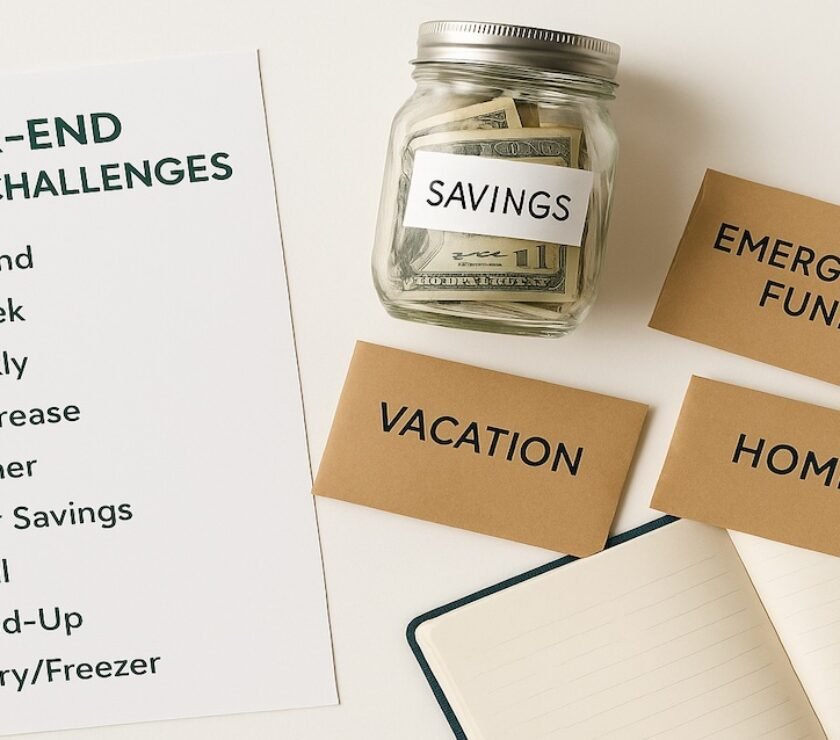
Cash-stuffing is the envelope method — but with a glow-up. You divide your money into labeled envelopes like rent, groceries, gas, "fun money," or iced coffee (no judgment here). You spend only what's inside each envelope.
It's tactile. It's visual. It keeps you honest.
For a lot of people, this is the first method that makes money feel real instead of like endless digital swipes.
Why It's Blowing Up on TikTok
Search #cashstuffing and you'll find millions of views showcasing crisp bills, aesthetic binders, and satisfying ASMR stuffing videos.
Why the obsession? Because it feels intentional. Because it looks good. Because it's shareable.
TikTok turned money management into a vibe — and Gen Z and Millennials are here for it.
The Problem with Going Fully Cash
Cash-stuffing is powerful, but it's not covering your Spotify subscription, your electric bill, or that one friend who always sends a surprise Venmo request.
Cash can't handle:
- Online purchases
- Automatic withdrawals
- Digital subscriptions
- Shared expenses
That's where digital tools step in. Many people find success by pairing hybrid budgeting with a no-fee digital banking account that makes it easy to separate spending categories without carrying cash or visiting a branch.
Apps can:
- Track spending across multiple accounts automatically
- Handle online and card purchases
- Sync with autopay and subscriptions
- Alert you when you're close to your limits
- Show historical spending patterns
You keep the envelope logic — the thing that makes cash-stuffing work — but you remove the friction that makes it impossible to use for everything.
Hybrid Budgeting: The Best of Both Worlds
Hybrid budgeting means using cash where it works best and digital tools everywhere else.
Here's how people typically split it:
Use Cash For:
- Groceries — Prevents impulse purchases in stores
- Dining out — Makes you think before ordering another round
- Entertainment — When the cash is gone, the fun budget is done
- Shopping — Physical money creates natural spending limits
Use Digital For:
- Rent/mortgage — Automatic payments ensure you never miss due dates
- Utilities — Autopay handles the boring stuff
- Subscriptions — Track what you're paying for digitally
- Online shopping — Cards are required, apps track it
- Savings transfers — Automation makes saving consistent
The pattern? Use cash for categories where you tend to overspend when swiping cards. Use digital for everything that requires autopay, online access, or multi-account coordination.
This guide is part of the Budget Automation cluster under the Budgeting & Savings hub — covering every tool and system for putting your money on autopilot so you stop managing it manually.
Top Apps for Hybrid Budgeting
Several apps are built specifically for envelope-style budgeting:
Monarch Money combines envelope logic with investment tracking and collaborative features. You create spending categories (envelopes), set limits, and the app tracks everything across accounts automatically. It's the most modern option for people who want cash-stuffing discipline without actual cash.
YNAB (You Need A Budget) uses a "give every dollar a job" philosophy — basically digital envelope budgeting with a structured framework. It's intensive but effective for people who want complete control.
Goodbudget is explicitly based on the envelope method. You can use it without linking bank accounts, making it perfect for people who want to track virtual envelopes manually.
Rocket Money focuses on subscription tracking and bill negotiation, but also includes spending limits by category — useful for hybrid budgeters who need help cutting recurring expenses.
Each app approaches envelopes differently, but the core idea is the same: make money tangible by showing you exactly what's left in each category. See the full comparison in the Monarch vs. YNAB breakdown, or browse the complete FinTech budgeting app comparison hub if you're still deciding on a platform.
How to Set Up Your Hybrid Budget
Step 1: Identify your trigger categories. Which spending categories get out of control when you use cards? For most people, it's groceries, dining out, entertainment, and shopping. These are your cash categories.
Step 2: Calculate your cash budget. Add up how much you spend monthly in cash categories. Round up slightly — it's better to have $20 left over than to run out mid-month.
Step 3: Withdraw cash on payday. Go to an ATM on the day you get paid. Withdraw your cash budget amount. Divide it into labeled envelopes immediately.
Step 4: Set up digital envelopes for everything else. Choose a budgeting app. Create categories for rent, utilities, subscriptions, debt payments, and savings. Set spending limits that match your income.
Step 5: Link accounts and automate. Connect your checking account, credit cards, and savings accounts to your app. Set up automatic transfers for savings and bill payments. To set up accounts without hidden fees and move everything over without breaking your autopay, follow the step-by-step guide: how to switch to a no-fee bank without screwing up your bills.
Step 6: Check in weekly. Look at your cash envelopes. Check your app to see digital spending. Adjust next month's amounts based on what worked and what didn't.
The setup takes about an hour. The system runs itself after that.
Common Mistakes (and How to Avoid Them)
Mistake 1: Making too many cash categories. If you have 15 different envelopes, you'll spend more time managing cash than actually living. Stick to 3-5 cash categories maximum.
Mistake 2: Not reconciling regularly. Check your envelopes and app weekly. If you wait until month-end, you've already overspent and can't course-correct.
Mistake 3: Borrowing from other envelopes. The whole point of envelopes is limits. When your dining-out cash is gone, you cook at home. Don't rob groceries to pay for restaurants.
Mistake 4: Ignoring the digital side. Hybrid budgeting requires attention to both cash and digital. If you only focus on physical envelopes, your online spending will sabotage the entire budget.
Mistake 5: Giving up after one bad month. Nobody nails budgeting immediately. The first month is always messy. Adjust your amounts and keep going.
When Cash-Stuffing Alone Isn't Enough
Cash-stuffing is great for spending control. But it doesn't help with:
- Long-term savings goals — You need automation to build wealth consistently
- Debt payoff strategies — Digital tracking helps you see progress and optimize payments. The debt relief and credit repair hub covers avalanche vs. snowball method and how to sequence debt with other financial goals.
- Multi-account coordination — Apps show your complete financial picture across banks
- Tax planning — Especially important for freelancers and side hustlers
Hybrid budgeting addresses these gaps by combining immediate spending control (cash) with long-term financial management (apps).
Pro Tips for Making Hybrid Budgeting Stick
Start small. Don't try to revolutionize your entire financial life in week one. Pick two cash categories. Use an app for everything else. Add more cash categories only after the system feels natural.
Make it aesthetic (if that motivates you). Buy nice envelopes. Use a binder. Make it Instagram-worthy. If TikTok aesthetics keep you engaged, lean into it. There's no shame in making budgeting visually appealing.
Use cash for variable expenses, digital for fixed. Fixed expenses (rent, car payment, insurance) work better on autopay. Variable expenses (food, entertainment, shopping) work better with cash.
Don't carry all your cash everywhere. Leave most envelopes at home. Only take the cash you need for that specific outing. This prevents impulse spending across multiple categories.
Track everything for at least two months. The first month teaches you what your baseline spending looks like. The second month is where you start optimizing. Don't judge your budget's effectiveness until month two.
Hybrid Budgeting for Different Life Situations
For freelancers and variable income: Cash-stuff based on your lowest monthly income. Any extra money goes to savings or debt payoff. This prevents lifestyle inflation when you have a good month.
For couples: Decide together which categories are cash versus digital. Some couples split it — one person handles cash categories, the other manages digital. Just make sure both people can see the full budget in the app.
For debt payoff: Use cash only for essentials (groceries, gas). Everything else stays digital so you can maximize debt payments. The restriction helps you find extra money to throw at balances. See the full payoff framework in the debt relief and credit repair hub.
For students: Cash works beautifully for meal plans and social spending. Keep tuition, textbooks, and rent on the digital side for easy tracking and parent visibility if needed.
For side hustlers: Use digital tracking for business expenses to maintain clean records for taxes. Personal spending can be cash or digital based on what helps you stick to limits.
Ready to Build a Budget That Works?
Hybrid budgeting combines the best of both worlds — cash discipline meets digital convenience. Whether you're team binder or team app, the right system sticks.
Read the Monarch Money Review | Explore the Budget Automation Hub
Disclaimer: This article provides educational information about budgeting methods and is not financial advice. Individual financial situations vary significantly based on income, expenses, obligations, and personal circumstances. Always ensure sufficient funds are available in accounts before authorizing automatic payments or transfers to avoid overdraft fees. Bank and app features, fees, and availability are subject to change.