
March 11, 2026
March 2026 • 8 min read
Home › Debt Relief & Credit Repair › Debt Settlement Explained
Stage 3 of 7
Repair & Protection
— Stop the pressure, fix the damage, and rebuild on solid ground.
View All 7 Stages →
Debt Settlement Explained
How settlement actually works, who it’s right for, and the tradeoffs you need to understand before choosing this path — or hiring someone to navigate it for you.
TL;DR — What This Cluster Covers
- Debt settlement means negotiating to pay less than the full balance — typically 40–60 cents on the dollar, but it requires you to stop paying first
- The credit damage is real and significant — settled accounts stay on your report for seven years and drop scores substantially
- Bankruptcy may be better in severe cases — it provides legal protection settlement does not
- DIY settlement is possible — everything a debt settlement company does, you can do yourself
- The right option depends on your specific debt load, income, and timeline — this cluster helps you compare before committing
When debt becomes unmanageable, “just pay it off” stops being useful advice. Settlement is one of several structured exits — but it’s not for everyone, and choosing it without understanding the mechanics can make a bad situation worse. This cluster covers everything you need to know to make an informed decision about whether settlement is the right path for your situation.
What’s in This Cluster
Debt Settlement vs. Bankruptcy vs. Credit Counseling
“I need out. What are my actual options?”
A side-by-side comparison of the three major debt exit paths — what each does to your credit, your finances, and your legal standing. Helps you understand which tool fits your situation before you commit to one.
How Debt Settlement Affects Your Credit
“Will this destroy my credit score?”
The specific credit consequences of settlement — how the mark appears, how long it stays, and how it interacts with your score. Includes an honest comparison of “settle now” vs. the trajectory of continued missed payments.
When Debt Settlement Makes Sense
“Am I actually a candidate for settlement?”
The specific financial circumstances where settlement tends to be the right call — and where it’s likely to make things worse. Covers the income, debt load, and account status profile that makes settlement viable.
What to Know Before Hiring a Debt Relief Company
“If I’m going to hire someone, what do I need to verify first?”
How to evaluate debt relief companies: what they can legally promise, what red flags look like, how fees work, and why DIY settlement is often just as effective for straightforward cases.
How Debt Settlement Actually Works
Debt settlement works by making a creditor an offer: pay a lump sum now for less than the full balance owed, and the account is considered resolved. Creditors are often willing because they believe partial payment is better than continued nonpayment or the expense of collections litigation.
The catch: to make a creditor receptive to settlement, you typically need to stop making payments first. Creditors don’t negotiate with accounts that are current — there’s no incentive. That deliberate delinquency is what drives the credit damage, and it’s what makes settlement a significant decision rather than a routine one.
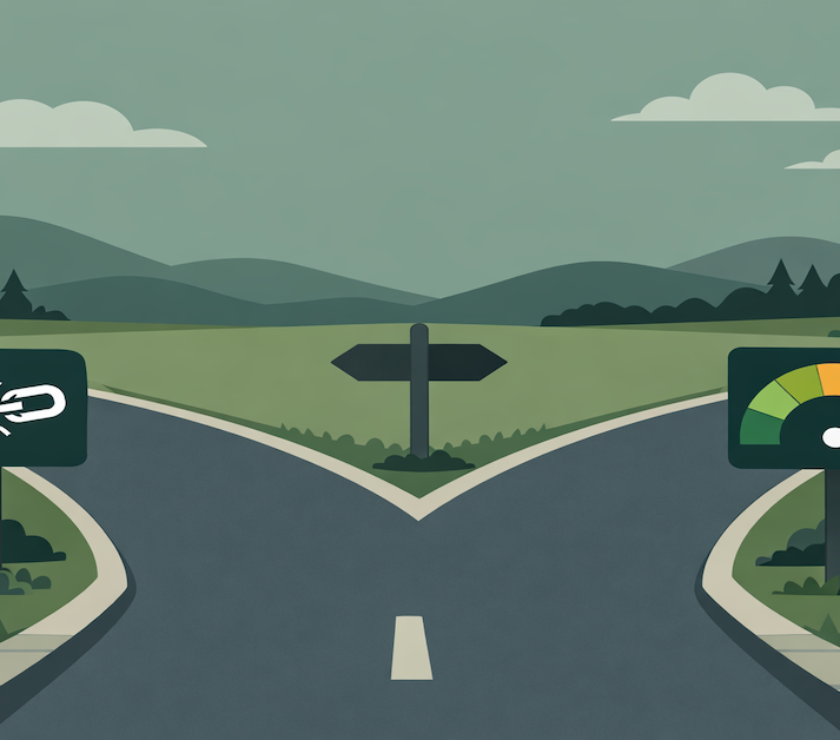
Settlement vs. Your Alternatives at a Glance
Debt Settlement
Pay less than owed. Significant credit damage. No legal protection. Best for unsecured debt with lump sum available.
Bankruptcy
Legal discharge of eligible debt. Automatic stay stops collections. Stays on report 7–10 years. Best for overwhelming total debt.
Credit Counseling / DMP
Restructured payments through nonprofit. Less credit damage. No debt reduction. Best for manageable debt with cash flow.
Understanding Settlement Is Step One
Settlement is one tool in a broader debt relief and credit repair system. After resolving the debt situation, the repair and rebuilding phases require a different approach entirely. The authority hub covers the full sequence.
Back to the debt relief guide →Frequently Asked Questions
Can I negotiate debt settlement myself?
Yes. Creditors negotiate directly with consumers. You call, explain your situation, offer a lump sum, get any agreement in writing before paying. A debt settlement company does the same thing and charges 15–25% of enrolled debt for the service. DIY makes sense for straightforward cases; professional help may be worth it for multiple large accounts or situations where you want someone else handling communications.
Will I owe taxes on forgiven debt?
Potentially. Forgiven debt over $600 is typically reported to the IRS on a Form 1099-C and may be treated as taxable income. There are exceptions — notably insolvency (if your debts exceed your assets at the time of settlement) — but this is a real tax consequence that should factor into your settlement calculation. Consult a tax professional before settling large balances.
How much will a creditor typically accept as a settlement?
Settlement amounts vary widely based on the creditor, the age of the debt, and whether it has been sold to a collections agency. Settlements on original creditor accounts often range from 40–60% of the balance. Accounts purchased by debt collectors are sometimes settled for significantly less, since the collector bought the debt at a steep discount. There is no universal number — every negotiation is individual.
Disclaimer: The information provided on PersonalOne is for educational purposes only and does not constitute legal, financial, or credit advice. Debt settlement carries significant financial, credit, and potential tax consequences. Always consult qualified legal and financial professionals before making decisions about debt resolution. Results vary based on individual circumstances, creditor policies, and applicable law.