By Don Briscoe
Don Briscoe is the founder of PersonalOne.org, where he's spent over 12 years helping Gen Z and Millennials take control of their money. From banking strategies to side hustle growth, Don breaks down personal finance without the jargon—just real talk for real people building wealth on their own terms.
TL;DR – Holiday Overspending Explained
- Americans spend an average of $1,014 on holiday gifts due to dopamine-driven impulse purchases.
- Short-term gratification overrides long-term financial goals during the holiday season.
- Creating a spending plan early, setting gift expectations, and prioritizing experiences prevent debt.
- Credit card rewards and budgeting apps help offset costs without compromising the holiday spirit.
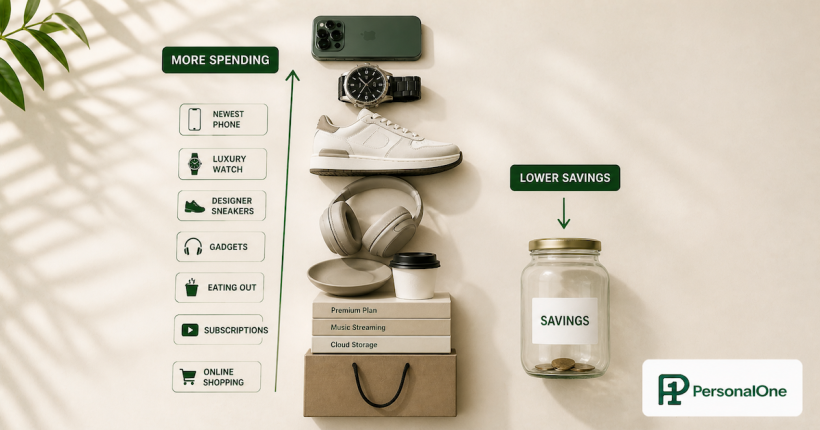
The holiday season brings joy, celebrations, and, unfortunately, a lot of overspending. According to a Gallup poll, Americans plan to spend an average of $1,014 on holiday gifts this year. Behavioral finance experts suggest our tendency to focus on short-term gratification over long-term financial goals may be to blame.
But don't worry—there are actionable strategies to rein in holiday spending without losing the festive cheer.
Why We Overspend: The Behavioral Science Behind It
Experts say we're often "wired" to prioritize immediate gratification during the holidays. Dr. Sarah Green, a behavioral finance researcher, explains, "The brain releases dopamine—a feel-good hormone—when we buy gifts, making us crave that reward again. Unfortunately, this often leads to impulsive purchases."
Pair this with the societal pressure of gift-giving and ubiquitous sales promising once-a-year discounts, and it's no wonder wallets take a hit.
The Psychology in Action: Retailers understand this behavior. Limited-time offers create artificial urgency, while "doorbuster" deals trigger FOMO (fear of missing out). The emotional high from "getting a deal" often masks the reality that you're still spending money you hadn't planned to spend.
Ways to Avoid Overspending During the Holidays
The good news? With a little planning and strategy, you can enjoy the holidays without the financial hangover. Here's how:
1. Develop a Spending Plan Now
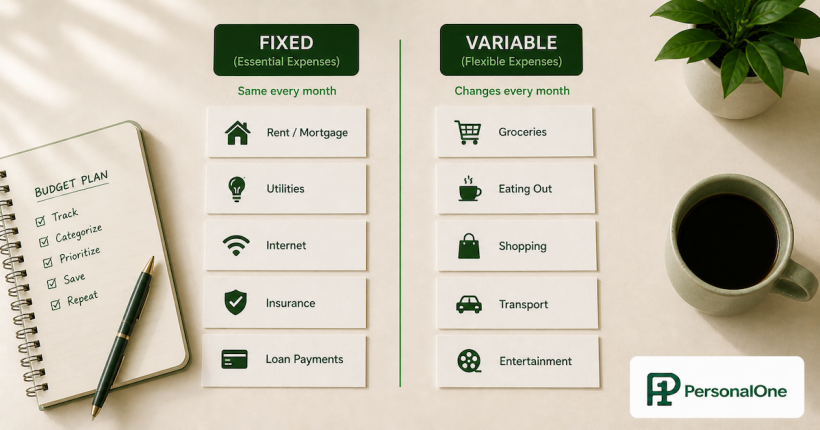
Creating a spending plan before the holiday rush is essential. Start by reviewing your current financial situation and setting a realistic budget for gifts, travel, and holiday activities.
"Think of your holiday spending plan as a roadmap," suggests financial coach Andrea Woroch. "Set limits for each category, track your purchases, and stick to your budget." Use budgeting apps to monitor expenses in real time.
Understanding how to implement a smart savings strategy year-round makes holiday budgeting significantly easier because you're working from a position of strength rather than scrambling at the last minute.
2. Set Gift Expectations With Family and Friends
Overspending often stems from the pressure to give extravagant gifts. Experts recommend having honest conversations with your loved ones about budget-friendly gifting.
For example, propose alternatives like Secret Santa exchanges or setting price limits on gifts. This approach can reduce financial strain while keeping the holiday spirit alive. "Most people are relieved when someone else brings up spending limits," says Green.
3. Think Beyond Gifts
"The holidays are about experiences, not just things," Woroch reminds us. Consider replacing expensive presents with meaningful gestures:
- Hosting a family game night
- Baking cookies together
- Volunteering as a group at a local charity
- Creating homemade gifts or photo albums
These experiences can foster deeper connections without breaking the bank.
4. Tap Into Free Rewards to Offset Gift Costs
Many people overlook the potential of credit card rewards and cashback programs during the holiday season. "If you're not using your credit card points or cashback rewards, you're leaving money on the table," says Woroch.
For example:
- Use accumulated points to purchase gift cards or products
- Sign up for cashback apps like Rakuten or Ibotta to earn while you shop
- Explore free loyalty programs at retailers to unlock discounts and rewards
Just make sure you're paying off the balance in full each month to avoid interest charges that negate your rewards.
5. Beware of the "Buy Now, Pay Later" Trap
While services like Afterpay and Klarna make holiday shopping more accessible, they can also lead to overspending. A 2023 survey by CNBC found that nearly 40% of Buy Now, Pay Later users struggle to keep up with payments.
If you choose to use these services, ensure you can pay off the balance before incurring fees or interest. These installment plans feel painless in the moment but can quickly compound into real financial stress.
Where to Keep Your Holiday Savings
If you're planning ahead for next year's holidays (smart move), consider setting aside money throughout the year in savings accounts that actually grow your money. A dedicated holiday fund earning 4-5% APY means your savings work for you instead of sitting idle.
Start with $50-100 per month in January, and by November you'll have $600-1,200 plus interest—enough to cover most holiday expenses without touching your emergency fund or reaching for credit cards.
Real-World Case Study: How One Family Mastered Holiday Budgeting
The Johnsons, a family of four, were tired of starting each year in debt due to holiday spending. Last year, they implemented a simple strategy: a pre-planned holiday budget of $800.
They prioritized experiences over material gifts, using credit card rewards for essential purchases. The result? Not only did they stay within budget, but they also reported feeling less stressed and more connected during the holidays.
"We stopped trying to keep up with what we thought everyone expected," Mrs. Johnson explained. "Once we had honest conversations about our budget, everyone understood and actually preferred the experiences we created together."
The Bottom Line: Enjoy the Holidays Without Overspending
Overspending during the holidays might seem inevitable, but with a proactive approach and the right mindset, you can celebrate without compromising your financial goals.
Remember:
- Start planning early (ideally in October, not December)
- Set boundaries with loved ones
- Think outside the gift box
- Use rewards and cashback strategically
- Avoid Buy Now, Pay Later unless you have a clear repayment plan
By taking small but intentional steps, you'll enter the new year with both your finances and festive memories intact.
Ready to Take Control of Your Holiday Spending?
Understanding why we overspend is the first step. Building systems that prevent it is the second. PersonalOne breaks down behavioral finance and practical budgeting into strategies that actually work.
Subscribe for expert advice, budgeting tools, and exclusive resources to help you stay on track year-round. Your future self will thank you.
Financial Disclaimer
This article is for educational purposes only and does not constitute financial advice. Holiday spending strategies should be tailored to individual circumstances. Always consult with a financial professional before making major financial decisions.