Updated: April 2026
Home › Investing & Wealth Growth › Investment Fundamentals for Beginners › First-Time Investor: How to Make Your Money Work Harder
First-Time Investor? Here’s How to Make Your Money Work Harder
What You Need to Know
— Every first-time investor starts with uncertainty, not expertise
— You don’t need a lot of money—you need consistency
— Compound growth rewards time, not perfection
— Simple, diversified investing beats complex strategies early on
— Automation is what turns investing into a system instead of a habit
— The biggest mistake is waiting too long to start
If you're a first-time investor, the biggest challenge isn’t choosing the “perfect” investment—it’s starting at all. Most people delay investing because they think they need more money, more knowledge, or better timing. In reality, those delays cost more than beginner mistakes ever will.
This article is designed to simplify the process. Inside the Investment Fundamentals for Beginners system, your goal isn’t to become an expert overnight—it’s to build a repeatable system that allows your money to grow over time.
Why Your First Investment Matters More Than You Think
Your first investment isn’t about returns—it’s about behavior.
When you invest for the first time, you shift from thinking about money to actually putting it to work. That shift matters more than the amount you invest.
The first contribution:
- builds confidence
- creates momentum
- removes hesitation
Most people never invest because they stay stuck in preparation mode. First-time investors win simply by starting.
How Compound Growth Works for First-Time Investors
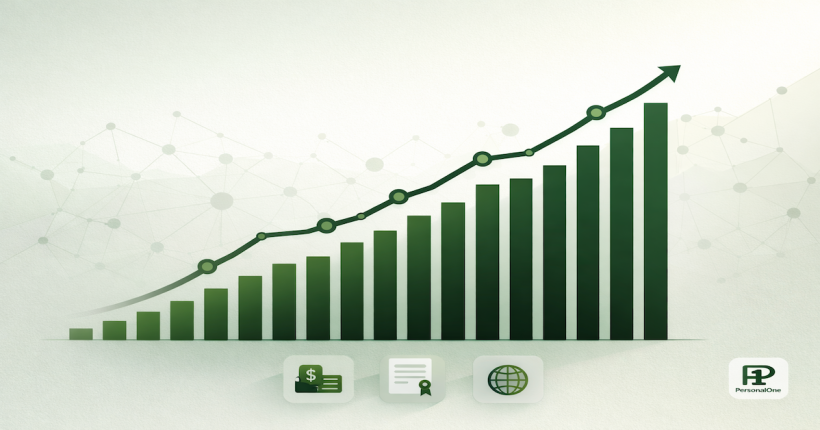
Compound growth is what turns small investments into long-term wealth.
It works like this:
You invest → earn returns → those returns generate more returns → repeat.
Over time, this creates exponential growth.
This is why starting early matters more than starting big.
Even small monthly contributions can grow significantly over decades because of compounding.
How First-Time Investors Should Start (Step-by-Step)
1. Stabilize Your Finances
Before investing, make sure your basic expenses are covered and you have a small emergency buffer.
2. Choose the Right Account
Start with:
- 401(k) (if employer match exists)
- Roth IRA
- Brokerage account
3. Start Small
$25–$100 per month is enough to begin.
4. Use Simple Investments
Index funds and ETFs provide diversification without complexity.
5. Automate Contributions
Automation ensures consistency.
Simple Portfolio Strategy for Beginners
First-time investors don’t need complex portfolios.
A simple structure works best:
- Stocks (growth)
- Bonds (stability)
- Cash (liquidity)
This balance helps reduce risk while still allowing growth.
Common First-Time Investor Mistakes
- Waiting too long to start
- Trying to time the market
- Following hype
- Overcomplicating investing
- Ignoring fees
Avoiding these mistakes is more important than finding perfect investments.
Internet Red Flags
“You need a lot of money.”
False.
“You need to pick stocks.”
Not for beginners.
“Wait for the right time.”
That usually means never starting.
Why Consistency Beats Timing
Markets go up and down—but long-term trends move upward.
Consistent investing removes the need to guess.
This strategy is proven and repeatable.
What Actually Happens After You Make Your First Investment
Most first-time investors expect something dramatic to happen after they invest. In reality, the early stage feels almost uneventful. Your account may move up or down slightly, sometimes by just a few dollars or even cents. That can feel underwhelming—but it’s actually a critical phase.
This is where most people either build confidence or quit too early. The truth is, early investing is not about instant results. It’s about building a system that continues working long after the excitement wears off.
During the first 6–12 months:
- Your contributions matter more than returns
- You are learning how markets behave
- You are building consistency—not wealth yet
This phase is where discipline beats intelligence. The investors who stay consistent during this period are the ones who benefit most later.
How Investing Fits Into the PersonalOne Money System
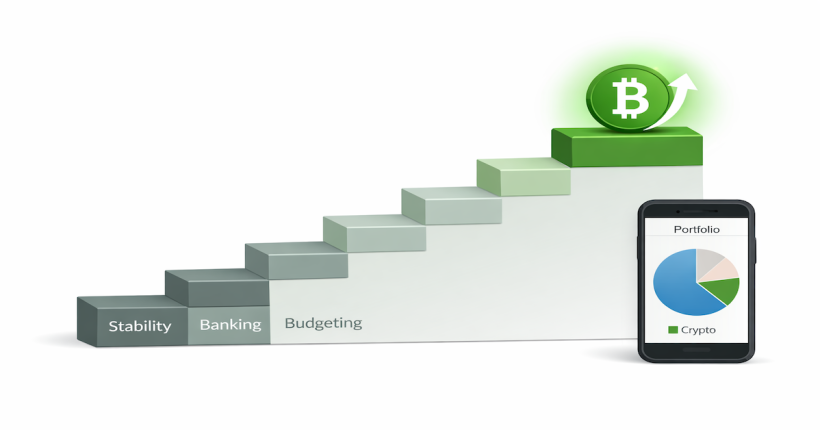
Investing is not the first step in your financial life—it’s part of a larger system.
Within the PersonalOne Money System, investing sits after stability and structure. That means your income, expenses, and emergency buffers should already be in place before you rely on investments for growth.
If you skip this order, investing becomes stressful instead of powerful. You’ll constantly feel like you need to pull money out, react to market changes, or stop contributions entirely.
When investing is built on a stable system:
- You don’t panic during downturns
- You don’t need to sell at the wrong time
- You can stay consistent long enough to benefit from compounding
How Much Should a First-Time Investor Actually Invest?
This is one of the most common questions—and one of the most misunderstood.
The answer is not a fixed number. It’s a percentage and a habit.
A strong starting point is:
- 5%–10% of your income if you're just starting
- Increase gradually as income grows
But here’s the key: consistency matters more than the percentage early on.
A first-time investor contributing $50/month consistently will outperform someone who contributes $500 once and stops.
Your first goal is not maximizing returns—it’s building a repeatable system.
The Psychological Shift Every First-Time Investor Must Make
The hardest part of investing is not technical—it’s mental.
As a first-time investor, you’re used to thinking of money as something you spend or save. Investing requires you to think differently: your money becomes a tool that produces more money over time.
This shift takes time.
At first, market drops feel like losses. Over time, they become normal—and eventually, they become opportunities.
Strong investors aren’t fearless. They just understand the system well enough to stay consistent when others panic.
What Long-Term Investing Actually Looks Like
Long-term investing is not a straight line upward.
It includes:
- market drops
- economic uncertainty
- periods of slow growth
But over time, markets have historically trended upward.
The investors who benefit are the ones who stay invested long enough to experience that growth.
This is why consistency matters more than timing.
That’s the difference between investing randomly and investing strategically.
Start simple. Stay consistent. Let time do the work.
Start the Beginner Investment SystemConclusion
Being a first-time investor isn’t about perfection—it’s about starting.
The earlier you begin, the easier everything becomes. You give your money time to grow, reduce pressure on yourself, and build a system that works long-term.
Start with what you have. Keep going. Let your system do the heavy lifting.
Resources
Frequently Asked Questions
How much do I need to start investing?
$25–$100 is enough to begin.
What is the best investment for beginners?
Index funds and ETFs.
Should I invest while in debt?
Prioritize high-interest debt first.