June 20, 2026
Home › Credit Building & Protection › Credit Monitoring & Protection System › How to File a Credit Dispute
Part of the credit monitoring and protection system — what to do once you've found an error, not just how to find one.
About the Author
Don Briscoe is a financial systems strategist with 12+ years of experience helping Millennials and Gen Z build income and financial stability. He founded PersonalOne to provide the financial education he wished existed — structured, honest, and free.
What You Need to Know
— Template dispute letters from the internet often fail, since bureaus recognize the exact same generic format millions of times over and route it through automated rejection filters
— Effective disputes require specific documentary evidence, not a general claim that something is wrong
— "Citing Section 609" of the FCRA is not a loophole — it's a misunderstood right to request information, not a tool that forces removal of accurate items
— Bureaus have 30 days to investigate a dispute, extendable to 45 days if you submit additional information during the process
— Only inaccurate, incomplete, or unverifiable information can actually be removed — accurate negative items stay until they age off naturally
If you need to know how to file a credit dispute, here's what nobody tells you up front: bureaus receive millions of nearly identical template disputes every year, and when your letter looks exactly like everyone else's, it gets routed through automated systems built specifically to reject anything that doesn't include specific, verifiable evidence. The template letter approach doesn't work anymore, if it ever reliably did. What actually works is understanding exactly what bureaus are legally required to investigate, what evidence they can't ignore, and how to structure a dispute that survives their rejection filters instead of triggering them — which is exactly what this guide covers, from your FCRA rights through the five-part letter structure to what happens after the investigation closes.
The Social Media "609 Loophole" Myth
If you've seen videos claiming you can cite a specific section of the FCRA to "wipe your credit report clean in 30 days," that claim doesn't hold up, and acting on it can actively hurt you. That FCRA section isn't a dispute mechanism — it describes your right to request what information a bureau has on file about you, not a tool that forces removal of accurate negative information. Bureaus have seen this exact template so many times that they often flag it as a frivolous dispute on sight, which can make your genuinely legitimate disputes harder to get taken seriously afterward. Real disputes work when there's an actual error and real evidence behind it — not because a specific phrase was quoted.
Your Rights Under the Fair Credit Reporting Act
The Fair Credit Reporting Act is the federal law governing how credit bureaus collect, maintain, and share your information. Effective disputes are built on what bureaus are legally required to do, not on what they choose to do voluntarily — so it's worth knowing exactly what that obligation covers.
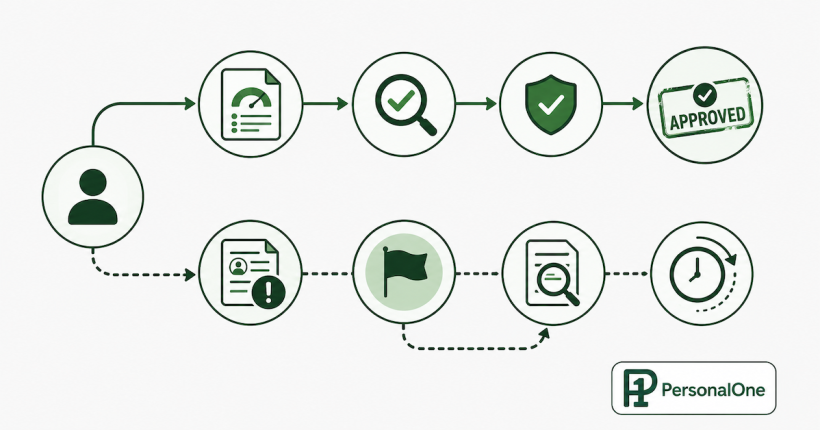
Bureaus must follow reasonable procedures to ensure maximum possible accuracy, which means they can't knowingly report information they have reason to believe is wrong. Once you file a dispute, they have 30 days to investigate and respond, extendable to 45 days if you submit additional information mid-investigation. As part of that investigation, they must contact the original creditor or collector — called the furnisher — and request verification; if the furnisher can't verify the information or doesn't respond in time, the bureau must remove it. You're entitled to written results either way, and if anything changes as a result of your dispute, a free updated copy of your report from that bureau.
These aren't best practices bureaus follow out of courtesy — they're federal requirements with real enforcement behind them through the CFPB. Your dispute's success depends on leveraging these specific obligations correctly, not on outsmarting the system with clever phrasing.
What Can Actually Be Disputed
This is where most disputes go wrong before they even start. You cannot dispute accurate negative information just because you'd rather it weren't there. You can — and should — dispute information that's incorrect, incomplete, or unverifiable.
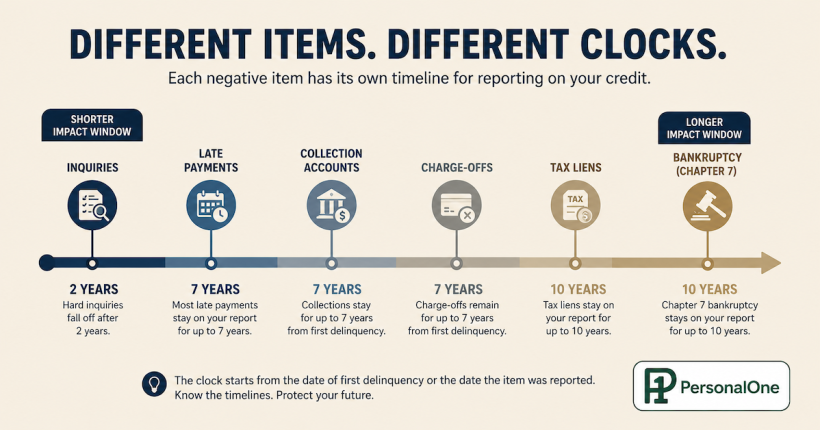
Legitimately disputable items include: wrong personal information (misspelled name, wrong address, mixed files containing someone else's accounts); account errors (accounts that aren't yours, duplicate reporting of the same debt, incorrect status or balance, wrong credit limit); payment history errors (on-time payments marked late, with proof; lates reporting past the 7-year limit); collection errors (debts you don't owe, wrong amounts, paid accounts still showing unpaid, collections older than 7 years still reporting); and public record errors (bankruptcies or judgments reporting past their legal removal window).
What can't be disputed successfully: accurate negative information, even after you've paid it off — it has to age off naturally on its own timeline. Hard inquiries you actually authorized. And a discharged bankruptcy itself, since discharge updates the account status but doesn't remove the bankruptcy entry from your report. Disputing accurate information wastes your time and damages your credibility for the disputes that actually matter — focus your effort on items you genuinely have evidence are wrong.
Gather Specific Evidence Before You Write Anything
The single biggest reason disputes fail is a lack of specific evidence. "This isn't mine" or "this is wrong" gets rejected on sight. Documentary proof is what forces a real investigation.
For payment history errors: bank statements showing the payment cleared on time, cancelled checks, online payment confirmation numbers, or creditor correspondence confirming the actual date. For accounts that aren't yours: a police report, an FTC Identity Theft Report, a fraud affidavit, or a creditor letter acknowledging the fraud. For incorrect balances or status: account statements showing the real balance, payoff letters, settlement agreements, or court documents. For outdated information: documentation of the original date of first delinquency, the charge-off date, or the collection agency's first contact date.
If you haven't already gone through your full report systematically to find errors in the first place, how to do a credit checkup and fix report errors covers that discovery step — this article picks up from there, once you've already identified something specific worth disputing.
The Five-Part Dispute Letter Structure
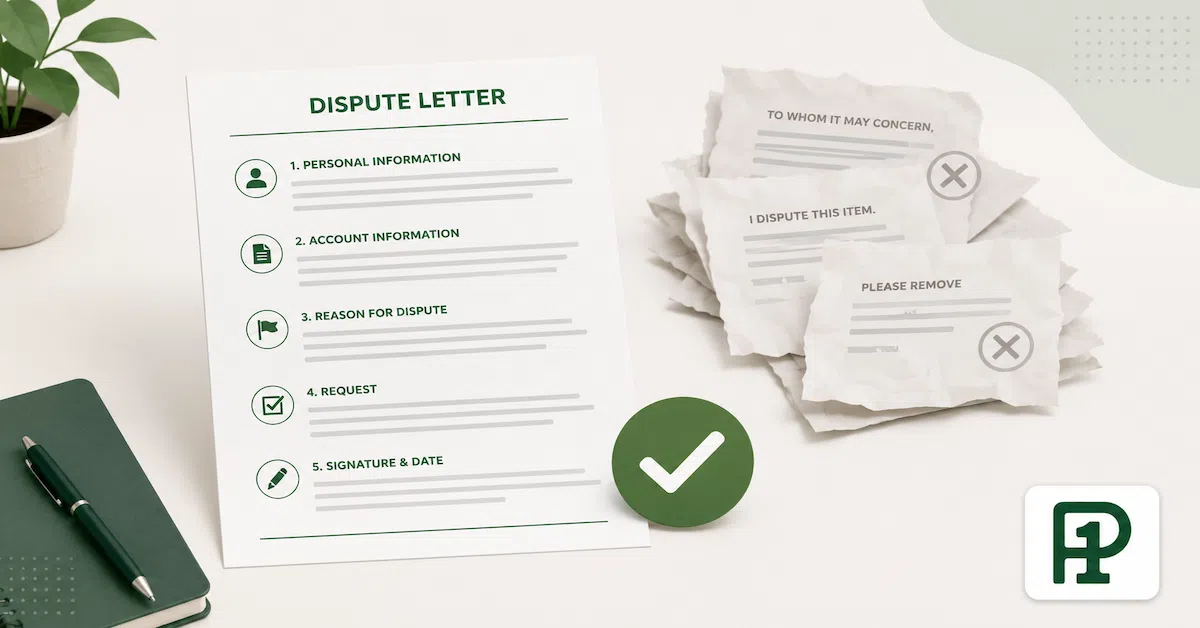
Forget generic templates entirely. An effective dispute letter has five specific parts, and skipping any one of them weakens the whole thing.
Your identification information. Full legal name, current address, prior address if recent, the last four digits of your Social Security number, date of birth, plus a copy of your ID and a utility bill for address verification.
Specific error identification. Don't write "there's an error on my report." Write exactly: "Account #1234 with ABC Bank, reported as 30 days late on March 15, 2024, is incorrect." Use the exact information as it appears on your report.
Why it's wrong, with evidence. "I paid this account on March 5, 2024, as shown in the enclosed bank statement, which clears 10 days before the due date." Reference each piece of attached evidence specifically by name.
A specific requested action. "I request this late payment be removed as inaccurate," or "I request this account be deleted entirely as it does not belong to me." State exactly what you want done.
A documentation reference list. "Enclosure 1: bank statement, March 2024. Enclosure 2: creditor confirmation letter, dated March 6, 2024." This proves, in writing, exactly what you submitted. Keep the whole letter to one page if possible, two at most — bureaus process thousands of these, and a clear, organized, evidence-backed letter gets taken seriously in a way a long emotional one doesn't.
Submitting and Tracking the Investigation
Experian, Equifax, and TransUnion operate independently, so an error on one report doesn't automatically appear on the others, though it often does. Check all three and dispute directly with each bureau where the error actually shows up.
Send by certified mail with return receipt whenever possible. This creates a paper trail proving exactly when the bureau received your dispute, which matters if you need to escalate later. Online disputes are faster and acceptable for simple, clear-cut errors, but they often limit how much evidence you can upload and leave a thinner trail if things get contested.
From the date of receipt, the bureau has 30 days to investigate — 45 if you submit more information mid-process. During that window, they contact the furnisher for verification; if the furnisher doesn't respond in time, the bureau must remove the item. If the furnisher verifies it, you'll be notified the dispute was unsuccessful. Don't send additional documentation unless they specifically ask for it — submitting unprompted extra material just restarts and extends the clock.
What I've Seen
A client once mailed identical disputes to all three bureaus using a generic letter pulled from a forum post, with no supporting documents attached, and got the same rejection from each one within the same week. We rebuilt the dispute from scratch — same underlying error, but now with a specific account reference, the actual bank statement attached, and a one-page letter instead of three paragraphs of frustration. It was resolved and removed within the next cycle. Nothing about the underlying error had changed. Only the structure of the dispute had.
The takeaway: bureaus aren't reacting to how strongly you feel the error is wrong. They're reacting to whether you've given them something specific and verifiable to act on.
If Your Dispute Gets Rejected
A rejection notice saying "verified as accurate" isn't the end of the road — but the recovery process has its own mechanics worth understanding fully before your next move. The e-Oscar auto-verification system, the difference between a "Verified" and a "Frivolous" rejection, and how to escalate through the furnisher rather than resubmitting to the bureau are all covered in depth in why your credit dispute got rejected and what to do next.
DIY Dispute vs. Professional Help
Most straightforward errors are entirely manageable yourself: one or two clear errors with obvious documentation, personal information mistakes, on-time payments you can prove were on time, or accounts removed after identity theft with a police report already in hand.
Professional help is worth considering when you're dealing with multiple complex errors across all three bureaus, a previous DIY dispute that was rejected despite real evidence, identity theft involving numerous fraudulent accounts, a mixed credit file containing someone else's history, or a time-sensitive situation tied to a pending loan application where you need faster resolution than you can manage alone.
Red Flags of Credit Repair Scams
Avoid any company that promises to remove accurate negative information, charges upfront fees before doing any work (illegal under federal law), tells you not to contact the bureaus directly yourself, suggests creating a new credit identity using an EIN instead of your SSN, or guarantees a specific score increase. If you encounter this kind of fraud, report it to the FTC, the CFPB, and your state attorney general's office.
After a Successful Dispute
When a bureau removes or corrects an item, the correction appears on your report right away, though your score recalculates on the next monthly update cycle rather than instantly. The bureau must send you a free copy of the corrected report, and if you request it, must notify anyone who pulled your credit in the past six months about the change. Any new credit application going forward sees the corrected file immediately.
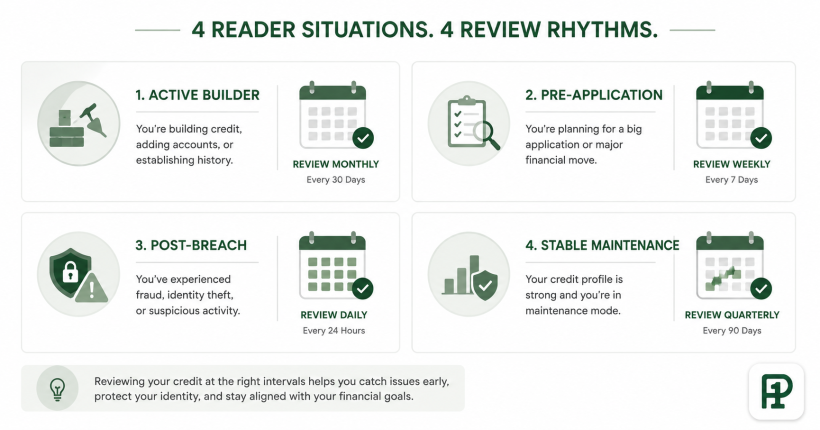
Check your report again every few months afterward to make sure the corrected item doesn't reappear — sometimes a furnisher re-reports outdated information simply because their own internal records weren't updated. If that happens, you can dispute it again, this time referencing your previous successful correction as part of the evidence. Include the original dispute reference number from the bureau if you have it, since that creates a traceable thread showing the item was already investigated and removed once.
Keep every piece of documentation from the dispute permanently — the original letter, proof of mailing, the bureau's response, and any correspondence with the furnisher. Credit reports are sometimes pulled years later for background checks, rental applications, or business credit evaluations, and having a clean paper trail from a previous successful dispute protects you if the same item resurfaces in a different context. A dispute that felt like a one-time administrative task is more accurately understood as a permanent record of your credit history's accuracy, and the documentation supporting it is worth keeping accordingly.
Government Resources
CFPB Complaint Database — File a complaint or search complaints already filed against a furnisher or bureau.
FTC: Reporting Identity Theft — Federal guidance and the official Identity Theft Report needed for fraud-related disputes.
For the complete framework on building, protecting, and using your credit strategically, visit the credit building and protection guide.
Frequently Asked Questions
How long does the dispute process actually take?
Bureaus have 30 days to investigate, 45 if you submit additional information mid-process. Simple disputes with clear evidence often resolve in that window. Disputes involving multiple rounds or an uncooperative furnisher can stretch to 60 or 90 days.
Can filing a dispute hurt my credit score?
No. Filing a legitimate dispute doesn't affect your score either way. The item stays on your report unchanged during the investigation. If the dispute succeeds, your score may improve; if the item is verified as accurate, nothing changes — disputing itself never causes a drop.
Should I dispute online or by mail?
Certified mail provides a stronger paper trail and is worth the extra effort for anything contested or backed by substantial evidence. Online disputes are faster and fine for simple, clear-cut errors with minimal documentation.
Will paying off a collection remove it from my report?
No. Paying it updates the status from unpaid to paid, but the account itself remains on your report for seven years from the original date of first delinquency. Only dispute it if it's actually inaccurate — wrong amount, not your debt, already paid but showing unpaid, or past the seven-year window.
Can a credit repair company remove accurate negative information?
No. Any company promising that is either lying or operating illegally. A legitimate company can help you dispute genuine errors more efficiently, but no one — company or individual — can legally remove accurate late payments, charge-offs, or collections before they age off on their own.
Disclaimer: This content is for educational purposes only and does not constitute legal advice. PersonalOne is not a licensed financial advisor, broker, or investment professional. Individual financial situations vary — consult a qualified financial professional or attorney for personalized guidance.