Beginner Investing Guide: How the Stock Market Works and How to Start
What You Need to Know
The stock market lets you buy small ownership stakes in companies and build long-term wealth over time.
Most beginners do best with low-cost index funds or ETFs instead of trying to pick individual stocks.
You can start investing with small amounts, automate contributions, and grow your portfolio steadily without making the process complicated.
A simple system works best: build emergency savings, open the right account, choose diversified funds, and stay consistent.
Getting started can feel confusing, but it gets much simpler when you follow a proven system. If you want the full beginner framework for low-cost, passive investing, start with our Index Fund Investing guide, which walks through the core building blocks before you choose funds or open an account.
This article focuses on how the stock market works and how to begin without overcomplicating the process. For the bigger picture on long-term investing, portfolio growth, and building wealth over time, explore our Investing & Wealth Growth hub.
This article focuses on how the stock market works and how to begin without overcomplicating the process. For the bigger picture on long-term investing, portfolio growth, and building wealth over time, explore our Investing & Wealth Growth hub.
Understanding the Stock Market (Simple Breakdown)
The stock market is a marketplace where investors buy and sell ownership shares of companies. When you buy a stock, you own a small piece of that company. These shares trade on exchanges, and prices move based on demand, company performance, and the economy.
For beginners, the goal isn’t predicting short-term price swings. It’s owning a diversified mix of companies and letting time and growth do the heavy lifting.
Why Starting Early Matters (Even With Small Amounts)
Time is your biggest advantage. Starting early allows your money to grow through compounding, where your returns begin generating their own returns.
Even small contributions matter. Investing consistently builds momentum and removes the pressure of trying to “time” the market.
Stock Market vs Savings Accounts
Savings accounts are designed for stability and short-term needs. They protect your money but offer limited growth.
The stock market comes with risk, but over long periods, it has historically provided higher returns. Use savings for emergency funds and investing for long-term goals.
Setting Clear Investing Goals
Your strategy depends on when you need the money:
- Short-term (0–5 years): Stick with savings or low-risk options
- Medium-term (5–10 years): Balanced mix of stocks and bonds
- Long-term (10+ years): Focus more on stocks for growth
Clear goals determine your risk level and investment mix.
The Easiest Way to Start: Index Funds and ETFs
Index funds and ETFs track groups of companies instead of individual stocks. This gives you instant diversification with lower risk and lower fees.
For most beginners, this is the simplest and most effective way to invest.
Learn more in our index fund investing guide.
How Index Funds Actually Make You Money
Index funds grow your money in two main ways: price appreciation and dividends. As the companies inside the fund grow their earnings over time, the value of the fund increases. In addition, many companies pay dividends, which are either reinvested automatically or paid out as cash.
When dividends are reinvested, you begin earning returns on your returns — this is where compounding becomes powerful. Over long periods, this effect can significantly increase your total investment value without requiring additional effort.
This is why long-term investors focus less on short-term market swings and more on staying invested consistently. The combination of growth, reinvestment, and time does most of the work.
How to Open Your First Brokerage Account
Getting started is easier than most people think:
- Choose a broker with low fees and simple tools
- Verify your identity and link your bank account
- Deposit funds
- Choose your account type (taxable or retirement)
- Buy a low-cost index fund or ETF
Building a Simple Investment Portfolio
A beginner-friendly portfolio often includes:
- Total stock market fund
- Total bond market fund
Example allocations:
- Conservative: 40% stocks / 60% bonds
- Balanced: 60% stocks / 40% bonds
- Growth: 80–100% stocks
Rebalance your portfolio once a year to stay on track.
How to Choose Your First Index Fund
Choosing your first investment doesn’t need to be complicated. Most beginners can start with one or two broad market funds that provide instant diversification.
- Total Stock Market Index Fund — gives exposure to the entire U.S. market
- S&P 500 Index Fund — tracks the largest 500 companies
- Total International Index Fund — adds global diversification
Look for funds with low expense ratios, strong tracking performance, and high liquidity. Avoid overcomplicating your portfolio early — simplicity is a strength.
Dollar-Cost Averaging vs Lump-Sum Investing
Dollar-cost averaging means investing regularly over time. It reduces risk and is easier for most people to stick with.
Lump-sum investing can outperform but requires comfort with market swings. A hybrid approach works well for many investors.
Fees and Taxes You Need to Watch
Keep costs low by choosing funds with small expense ratios and avoiding unnecessary trading.
Use tax-advantaged accounts like IRAs when possible. Holding investments long-term can reduce tax impact.
Common Beginner Mistakes
- Trying to time the market
- Chasing trending stocks
- Ignoring fees
- Not diversifying
- Skipping emergency savings
Internet Investing Advice vs Reality
Spend five minutes on social media and you’ll see people claiming they doubled their money overnight or found the “next big stock.” While these stories can be tempting, they often leave out the full picture.
What you hear: You need to pick the right stock to get rich.
Reality: Most long-term investors build wealth through diversified index funds, not stock picking.
What you hear: You should wait for the “perfect time” to invest.
Reality: Consistency beats timing. Missing just a few of the market’s best days can significantly reduce returns.
What you hear: You need a lot of money to start investing.
Reality: Many platforms allow you to start with small amounts and build over time.
The goal isn’t to chase hype — it’s to build a system that works regardless of market conditions.
How to Automate and Stay Consistent
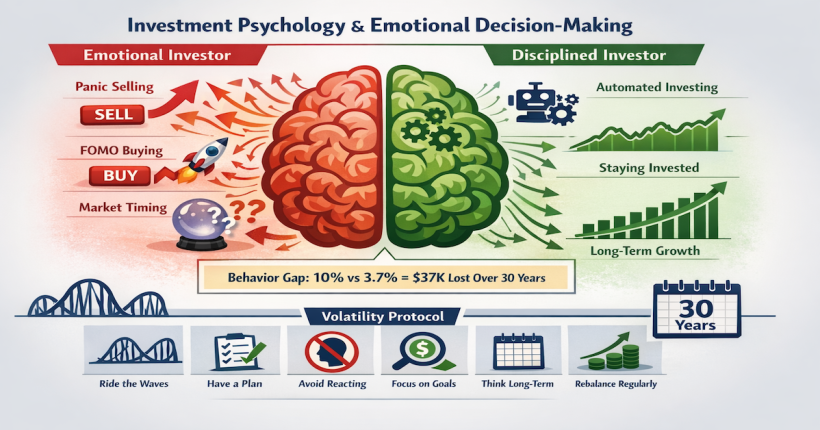
Automation removes emotion from investing. Set up recurring deposits and purchases to stay consistent.
Check your portfolio occasionally, but avoid constant monitoring. Long-term growth requires patience.
What Happens After You Start Investing
Once your system is in place, investing becomes less about action and more about consistency. Your main job is to continue contributing regularly and avoid reacting emotionally to market movements.
Markets will go up and down — that’s normal. Long-term investors succeed by staying invested during both good and bad periods.
Over time, your portfolio grows not just from market performance, but from your discipline and consistency. The longer you stay invested, the more powerful compounding becomes.
Explore the Investing Roadmap
Resources
Official Sources
Investor.gov — Introduction to Investing
U.S. Securities and Exchange Commission — Investor Resources
FINRA — Investing Basics
Related PersonalOne Guides
Frequently Asked Questions
Can I start investing with $50?
Yes. Consistency matters more than the starting amount.
Should I pick individual stocks?
Most beginners are better off using index funds for diversification and lower risk.
What’s the best account for beginners?
Roth IRAs and brokerage accounts are both good options depending on your goals.