April, 2026
Home › Credit Building & Protection › Authorized User Credit Strategy › How to Add Your Child as an Authorized User Without Putting Your Credit at Risk
What You Need to Know
Adding a child as an authorized user on your credit card is one of the most effective ways to give them a credit history before they are old enough to open their own accounts. The benefit transfers automatically -- your payment history, account age, and utilization on that card appear on their credit report. The risk to your own credit is real but manageable: their spending can increase your utilization, and any missed payments on the account will appear on their report as well as yours. The protection framework is straightforward -- set a low or zero spending limit for the child, keep the card's utilization below 10%, maintain autopay, and monitor both credit reports quarterly.
Most children arrive at adulthood with no credit history at all. Without an established profile, their first credit applications are evaluated on the thinnest possible file -- and the terms they receive reflect that. A first credit card at 22 with a $500 limit and a 29% APR is the predictable outcome of a credit history that starts at zero.
Adding a child as an authorized user on a well-managed credit card starts that clock years earlier. When done correctly, it is a low-effort, high-impact move that can give a teenager or young adult a meaningful credit profile before they ever apply for their own card. The question most parents have is not whether it works -- it does -- but how to do it without creating financial risk for themselves in the process.
How Authorized User Status Actually Works
When you add someone as an authorized user on your credit card, the card issuer reports the account to the credit bureaus under both your name and the authorized user's name. The authorized user inherits the account's full history -- including how long the account has been open, every on-time payment on record, and the current balance relative to the credit limit. None of that history requires the authorized user to have made a single payment themselves.
This is distinct from being a joint account holder, where both parties share equal legal responsibility for the debt. An authorized user has no legal obligation to pay the balance. The primary cardholder -- you -- remains solely responsible for everything charged to the account, regardless of who made the purchases.
Not all card issuers report authorized user accounts to all three bureaus, and reporting practices vary. Before adding a child, confirm with your card issuer that they report authorized user accounts to Equifax, Experian, and TransUnion. If they only report to one or two bureaus, the credit benefit is partial. Most major issuers -- American Express, Chase, Citi, Capital One, Discover -- do report to all three, but it is worth verifying directly.
What Your Child Gains
The credit benefit to the authorized user is substantial. Once the account appears on their credit report, they have an established credit file with real history behind it. If the card you add them to has five years of on-time payments and consistently low utilization, those five years transfer to their profile. A 16-year-old who is added to a parent's ten-year-old card effectively has a decade of credit history by the time they turn 18.
This matters for more than just their first credit card application. Credit history affects apartment rental approvals, some employment background checks, insurance premiums in certain states, and eventually the interest rates they receive on auto loans, student loan refinancing, and mortgages. Starting with a thin file at 22 versus a strong established profile produces meaningfully different financial outcomes over the following decade.
The authorized user account also contributes to their credit mix and, once they have their own cards, helps maintain their average account age as their credit profile expands. The compounding effect of starting early is significant -- each year of additional history adds to a foundation that is difficult to build quickly once someone is already an adult.
The Full Authorized User Framework
Adding a child is one application of a broader strategy. For the complete framework on how authorized user accounts work across different situations -- including when to use them as an adult credit-building tool -- see the full authorized user credit strategy guide.
The Real Risks to Your Credit
The risks are real and specific. Understanding them clearly makes it possible to structure the arrangement so they are effectively eliminated rather than merely accepted.
Utilization Increase From the Child's Spending
If the authorized user card has a physical card attached to it and the child is actively using it, their purchases add to your reported balance. Credit utilization -- the percentage of the credit limit being used -- accounts for 30% of your FICO score. A child charging $400 on a card with a $1,000 limit raises that card's utilization to 40%, which can meaningfully suppress your score if the balance is still present when the statement closes.
This risk is eliminated by one of two approaches: issuing no physical card to the child (many issuers allow this), or issuing a card but setting a low spending limit through the issuer's authorized user controls. Either approach preserves the credit-building benefit -- the account still appears on the child's report -- while removing the variable of uncontrolled spending.
Missed Payments Appear on the Child's Report
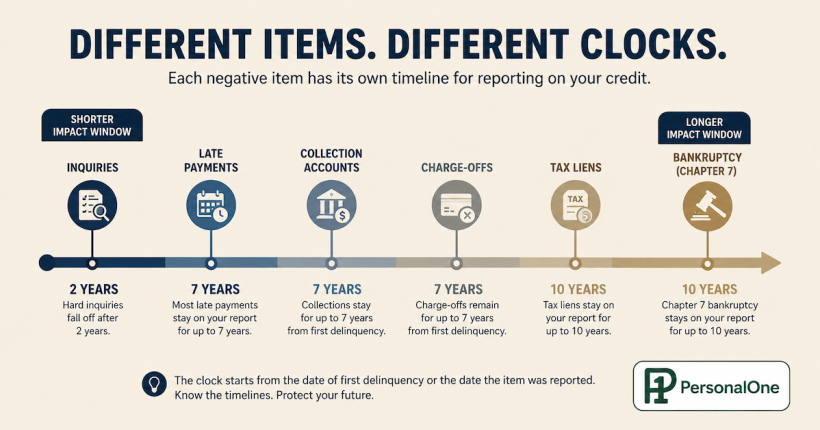
The same reporting that transfers your positive history to your child also transfers negative history. A single 30-day late payment on the account will appear on their credit report exactly as it appears on yours. If you are adding them to build a strong foundation, a missed payment partially undoes that work before they even have their own card.
The protection here is minimum payment autopay. Set it on every card, but make it a firm requirement on any card where a child is an authorized user. An accidental missed payment on an account tied to your child's credit profile carries a cost beyond your own score.
No Legal Recourse If the Child Charges Without Permission
As the primary cardholder, you are legally responsible for every charge on the account regardless of who made it. If a physical card is issued and the child uses it for purchases you did not authorize or cannot cover, the debt is yours. This is not a credit scoring issue -- it is a financial exposure issue that belongs in any honest assessment of this arrangement. It is managed through the same controls: no physical card issued, or a spending limit set through the issuer's authorized user management tools.
Choosing the Right Card to Add Them To
Not every card in your wallet is the right choice for this. The card you add your child to should have a long, clean payment history with no late payments, low utilization -- consistently below 10% -- and no annual fee conflicts that would require closing it in the near future. The older and cleaner the account, the more history transfers.
Avoid adding them to a card that carries a high balance, a card you are planning to pay off and close, or a card where spending patterns are irregular. The goal is to attach them to your most stable, long-standing account -- one you are confident will remain open, low-utilization, and in good standing for years.
If you have multiple cards, review all of them against these criteria before deciding. The specific card selection matters more than most parents realize -- the account age and payment history on the chosen card are the primary variables driving the credit benefit to the child.
Minimum Age Requirements by Issuer
Card issuers set their own minimum age requirements for authorized users, and these vary significantly. American Express allows authorized users as young as 13. Chase, Citi, and Bank of America have no stated minimum age, though some require the authorized user to be at least 15. Capital One generally requires authorized users to be 18. Discover does not have a minimum age requirement for authorized users on most products.
Age requirements also do not always align with bureau reporting thresholds. Some bureaus will not create a credit file for a minor, which means the history accumulates but may not appear as a visible credit profile until the child is 18. Verify with both your card issuer and the bureaus if you are adding a young child -- the credit history may be recording behind the scenes even if it is not yet visible on a pulled report.
The Protection Framework: How to Structure This Correctly
The full risk-mitigation framework for adding a child as an authorized user can be implemented in four steps:
Select the right account. Choose your oldest card with the cleanest payment history and consistently low utilization. Confirm the issuer reports authorized users to all three bureaus.
Control the physical card. Request that no physical card be issued to the authorized user, or if the issuer requires it, set the lowest available spending limit through their authorized user management portal. Many issuers offer spending limit controls specifically for authorized users.
Automate minimum payments. Set minimum payment autopay on the account if not already active. This eliminates the risk of a missed payment affecting both your credit profile and your child's.
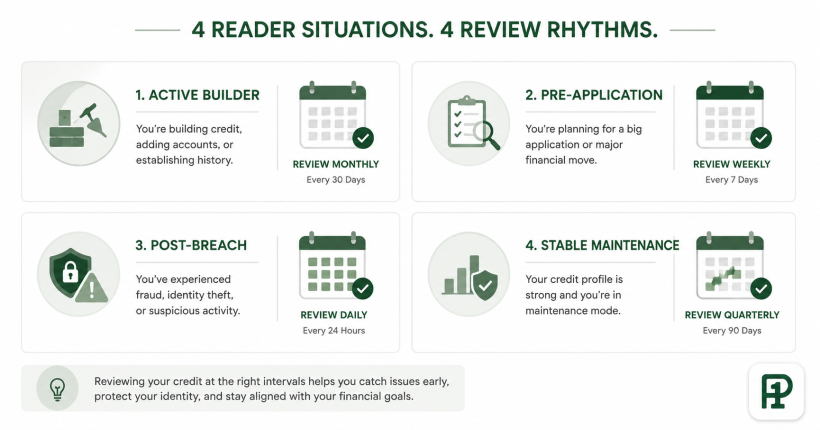
Monitor quarterly. Pull your child's credit report annually through AnnualCreditReport.com to confirm the account is reporting correctly, verify no errors have been introduced, and check that no other accounts have appeared under their name -- which can indicate identity theft. Children's identity is increasingly targeted precisely because the theft often goes undetected for years.
When to Remove the Child From the Account
There is no fixed point at which removing the child becomes necessary, but several circumstances warrant it. If the primary account enters financial difficulty -- high balances, missed payments, or closure -- removing the child protects their profile from absorbing that negative history. Removal is immediate: the account stops appearing on their report once the issuer processes the change, though any history already reported remains.
Once the child has established their own credit accounts -- their own credit card, student loan, or other trade line -- the authorized user account becomes less central to their profile. It still contributes positively and there is no reason to remove it simply because they now have their own history. The decision to remove should be driven by circumstances affecting the primary account, not by a milestone in the child's own credit development.
If the child is reaching adulthood and you want them to begin managing credit independently, consider keeping the authorized user relationship active while they build their own accounts in parallel. The combination of an aging authorized user account and a growing independent credit profile produces a stronger overall file than either approach alone.
Build Credit Strategically Across Every Stage
Authorized user strategy is one component of a complete credit system. The PersonalOne complete credit score guide covers all five FICO factors -- how to build history, manage utilization, protect your score, and use credit as a deliberate financial tool at every stage of life. Free, no signup required.
Framework-first. Less willpower. More infrastructure.
Frequently Asked Questions
How old does my child need to be to become an authorized user?
It depends on the card issuer. American Express allows authorized users as young as 13. Chase, Citi, and Bank of America have no stated minimum for most products. Capital One typically requires authorized users to be at least 18. Discover has no published minimum age requirement. Contact your specific issuer to confirm their current policy before adding a minor.
Will my child's credit score actually improve from being an authorized user?
Yes, provided the account being added to has a strong history. The account's payment history, age, and utilization all transfer to the authorized user's credit report. If the card has five or more years of on-time payments and consistently low balances, those factors appear on the child's profile as if they had held the card themselves. The effect is most significant for someone with a thin or nonexistent credit file -- which describes most minors and young adults.
Do I need to give my child the physical card?
No. Most issuers allow you to add an authorized user without issuing a physical card to them. The account still reports to the credit bureaus under the authorized user's name regardless of whether a card is issued. If the issuer requires a card to be issued, many offer spending limit controls through their authorized user management tools that cap how much the user can charge. Either approach preserves the credit-building benefit while controlling spending exposure.
Can I limit how much my child can spend as an authorized user?
Many issuers offer spending limit controls for authorized users that set a maximum charge amount below the full credit limit. American Express, Chase, and Citi all offer authorized user spending limits on most of their products. Check your specific issuer's authorized user management portal to confirm what controls are available. If your issuer does not offer spending limits, the most reliable protection is simply not issuing a physical card.
What happens to my child's credit history if I remove them as an authorized user?
Once removed, the account stops appearing on their credit report going forward. The history that was already reported may or may not remain depending on the bureau and the specific reporting practices of the issuer. In most cases, the positive history remains visible for a period but eventually ages off. If the child has begun building their own independent credit by the time of removal, the impact is less significant because their own accounts carry their profile forward. Remove proactively if the primary account encounters financial difficulty rather than waiting for negative history to transfer.
Should I tell my child they are an authorized user?
Yes, and the conversation about why is part of the value. Explaining what a credit score is, how the authorized user arrangement works, and what behaviors protect or damage it gives the child a functional understanding of credit before they are managing it independently. A teenager who understands that the account appearing on their credit report represents years of on-time payments -- and that a single missed payment would damage that history -- is more likely to treat their eventual independent credit accounts with the same care. The credit head start is more useful when it comes with the financial literacy to maintain it.
Resources
CFPB: What Is an Authorized User? — Federal explanation of authorized user status, how it is reported, and consumer rights.
AnnualCreditReport.com — Pull your child's free credit report annually to verify the authorized user account is reporting correctly and to check for identity theft.
myFICO: How Credit Scores Work — Authoritative breakdown of the five FICO scoring factors and how authorized user accounts contribute to each.
Disclaimer: The content on PersonalOne.org is for informational and educational purposes only and does not constitute financial, legal, or credit advice. Credit score impacts from authorized user accounts vary by individual profile, card issuer reporting practices, and credit bureau policies. Results will vary. Consult a qualified financial professional for personalized credit guidance.