Updated: February 24, 2026 • 7 min read
About the Author
Don Briscoe is a financial systems coach with 12+ years helping Millennials and Gen Z escape paycheck-to-paycheck cycles. He’s worked with hundreds of people to build emergency funds, eliminate debt, and start investing using framework-first strategies that require less willpower and more infrastructure. He founded PersonalOne to provide the financial education he wished existed—structured, honest, and free.
TL;DR — Quick Summary
- ✓Embedded finance integrates banking features directly into non-financial apps — Uber, Shopify, DoorDash, and Apple are already functioning as financial platforms for millions of users.
- ✓The infrastructure runs through licensed banking partners via APIs — apps don’t become banks themselves; they connect to regulated bank infrastructure behind the scenes.
- ✓Financial inclusion is a genuine benefit — gig workers and creators who struggle with traditional banking requirements gain access through platforms they already use.
- ✓Three real risks require active management — privacy exposure, regulatory gaps, and platform dependency are not theoretical concerns.
- ✓Keep at least one traditional bank account regardless of embedded finance adoption — embedded platforms are not a complete replacement for a structured banking system.
What Embedded Finance Actually Is
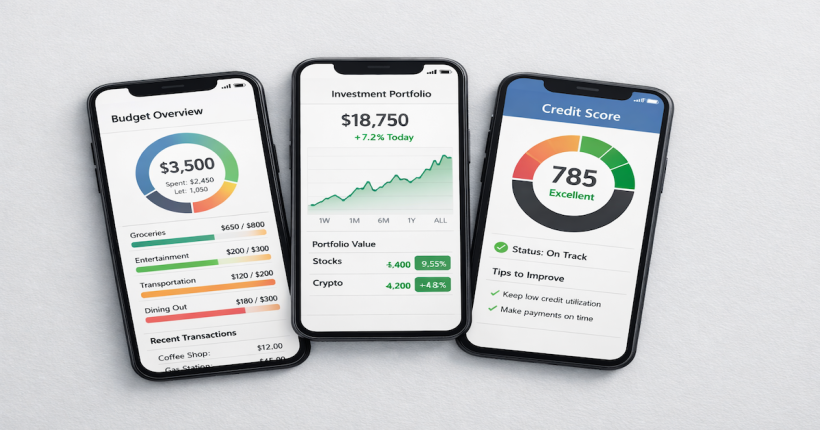
Embedded finance is what happens when a non-financial platform — a rideshare app, an e-commerce tool, a gig work marketplace — integrates banking or payment services directly into its existing experience. Users don’t get redirected to a separate banking app. The financial function happens inside the platform they’re already using.
This is already operating at scale. Uber drivers access instant payouts and a debit card without opening a bank account elsewhere. Shopify merchants manage working capital loans and payment processing through Shopify Capital without leaving their dashboard. DoorDash delivery workers access earned wages the same day through DasherDirect. Apple users hold a savings account and make purchases through the same device they use for everything else.
None of these companies are banks. But all of them are functioning as banking infrastructure for large portions of their user bases. Understanding how that works — and what it means for how you structure your own money system — is increasingly relevant for anyone operating in the gig economy or creator space.
How the Infrastructure Actually Works
Apps offering embedded finance do not build banking infrastructure from scratch. Instead they partner with licensed financial institutions and connect to them through APIs — Application Programming Interfaces that allow software systems to communicate in real time. Companies like Stripe, Plaid, and Marqeta provide the middleware that makes this possible, handling the backend banking operations while the app presents a seamless front-end experience.
The structure is layered: a licensed bank holds deposits and provides regulatory coverage, an infrastructure provider like Stripe handles transaction processing and compliance, and the app provides the interface users actually interact with. From the user perspective, the banking experience is invisible. From a regulatory and risk perspective, the accountability sits across three separate entities — which matters when something goes wrong.
Key distinction: When you use an embedded finance feature in an app, your money is typically held by the licensed bank partner — not the app company itself. Before using any embedded financial service, identify which bank is the actual holder of your funds and confirm FDIC coverage applies.
Where Embedded Finance Delivers Real Value
Speed and operational efficiency. For gig workers and platform-dependent income earners, instant access to earned wages eliminates the cash flow gap that makes week-to-week budgeting difficult. Waiting two to five business days for a bank transfer when you need to cover expenses today is a structural problem that embedded finance solves directly.
Financial inclusion. Traditional banking requires documentation, credit history, and often minimum balances that create barriers for gig workers, recent immigrants, younger adults, and others underserved by conventional banking. Embedded finance on platforms like Uber and DoorDash provides access to financial tools through the employment relationship rather than through banking qualification requirements. For this population, embedded finance is not a convenience — it is meaningful access that didn’t previously exist.
Contextually relevant financial tools. A merchant financing product built into Shopify knows the seller’s revenue history on that platform. A savings product built into a gig platform knows the worker’s earning patterns. This context allows embedded financial products to be more responsive and relevant than generic bank products applied to the same situations.
Three Risks That Require Active Management
Privacy and data exposure. Every financial feature you use inside a platform adds to the data that platform holds about you. Transaction history, spending patterns, income amounts, and financial behavior all become part of your profile within that company’s systems. Unlike a bank, which operates under specific data privacy regulations for financial institutions, embedded finance providers may operate under less restrictive data governance. Before using embedded financial features, understand what data the platform collects and how it is used.
Regulatory gaps. Traditional banks operate under comprehensive regulatory frameworks — capital requirements, consumer protection rules, examination by federal regulators. Embedded finance providers are not held to the same standards. The consumer protections you would have with a traditional bank account may not fully apply to an embedded finance product. This gap is actively being addressed by regulators, but it remains real in the current environment.
Platform dependency. If an app reduces, changes, or discontinues its embedded finance features, you may lose access to your funds or face transfer delays. When problems arise with an embedded finance product, accountability is distributed across the app, the infrastructure provider, and the bank partner — and navigating that accountability chain is more complex than dealing with a direct bank relationship. This is a structural risk that does not go away regardless of which platform you use.
Where Embedded Finance Is Heading
Creator economy banking. Platforms serving content creators are building payment and savings features specifically designed around irregular, platform-dependent income. Instant payouts, income smoothing tools, and savings automation built into the platforms where creators earn is a natural extension of the embedded finance model — and addresses real cash flow challenges that generic banking products don’t solve well.
Cryptocurrency and DeFi integration. Wallets and decentralized finance options are being integrated into shopping and gaming platforms, moving crypto access into mainstream consumer contexts. For users who want exposure to digital assets without managing separate exchange accounts, embedded crypto features reduce the barrier to entry significantly.
Buy Now Pay Later expansion. BNPL has moved well beyond retail into healthcare, education, and professional services. Installment payment options embedded directly at the point of service — for a medical procedure, a course enrollment, or a software subscription — are becoming standard features rather than specialty products. For a deeper look at how BNPL works and what to watch for, see Buy Now Pay Later: 7 Critical Insights You Must Know.
How to Use Embedded Finance Without Depending on It
The PersonalOne framework treats embedded finance the same way it treats any financial tool: as one component in a structured system, not the system itself. Embedded finance features are useful for speed, convenience, and context-specific functionality. They are not a replacement for a banking foundation built on FDIC-insured accounts with direct relationships to regulated institutions.
Practically, this means maintaining at least one traditional bank account regardless of how much embedded finance you use. It means verifying that any embedded financial product is backed by a licensed bank with confirmed FDIC coverage before depositing significant funds. It means reading fee structures carefully — instant payouts, overdraft protection, and premium features often carry costs that standard transfers do not. And it means treating your embedded finance accounts as operational tools rather than primary savings vehicles.
Open banking infrastructure is expanding the ability to connect embedded finance accounts to a broader money system — for more on how real-time payment networks support this kind of multi-account structure, see Open Banking Explained: How Real-Time Payments Will Reshape Your Wallet.
Frequently Asked Questions
Is embedded finance safe to use?
Generally yes — provided the app partners with a licensed bank and processes transactions through secure APIs. Before using any embedded financial feature, confirm which bank actually holds your deposits and verify that FDIC insurance applies to your account type. The safety of the product depends on the licensing and regulatory status of the bank behind it, not the app in front of it.
Can I use embedded finance instead of a traditional bank?
Technically possible, but not recommended as a complete replacement. Embedded finance products typically lack the lending relationships, credit history building, and comprehensive consumer protections that traditional bank accounts provide. Keeping at least one direct-relationship bank account — even with minimal activity — preserves access to credit, provides a fallback if a platform changes its financial features, and maintains the banking history that matters for mortgages and other lending decisions.
Are embedded finance features free?
Some are free, others carry fees. Standard transfers to linked bank accounts are typically free but take one to three business days. Instant transfers to external accounts often carry a 1–3% fee. Overdraft protection, premium account tiers, and certain card features may have monthly costs. Read the fee disclosure for any embedded financial product before routing regular income or expenses through it.
What happens if an app stops offering banking services?
You may lose access to the feature or face transfer delays while funds move back to an external account. This is the platform dependency risk in practice. Having a primary bank account outside the platform means you always have a destination for those funds and a functioning financial system that doesn’t depend on any single app’s continued operation.
Build a Banking System That Embedded Finance Fits Into
Embedded finance works best as one layer in a structured system — not the foundation. The Neobanks & Digital Banking Platforms hub covers how to evaluate digital-first banking options, structure a multi-account system, and integrate platforms like embedded finance tools without creating dependency on any single one.
Explore Neobanks & Digital Banking Platforms →Resources
- Neobanks & Digital Banking Platforms Hub — how to evaluate and integrate digital-first banking into a complete money system
- What Are FinTech Banks and Are They Better? — how neobanks and embedded finance providers differ from traditional institutions
- Open Banking Explained: How Real-Time Payments Will Reshape Your Wallet — the payment infrastructure connecting embedded finance to the broader banking system
- Buy Now Pay Later: 7 Critical Insights You Must Know — embedded installment payments expanding across retail, healthcare, and education
- FDIC.gov — verify deposit insurance and confirm partner bank charters for any embedded finance product
Disclaimer: This article is for educational purposes only and does not constitute financial advice. Embedded finance features, fee structures, and FDIC coverage terms vary by platform and are subject to change. Always verify the licensing status and deposit insurance coverage of any financial product before use. Consult a certified financial professional before making significant financial decisions.