


December 11, 2025
Last updated: January 18, 2026
TL;DR - Quick Summary
- Secured credit cards require a deposit and are best for building or rebuilding credit
- Unsecured credit cards don't require a deposit but need stronger credit to qualify
- The right card depends on your credit stage — not perks or bonuses
- Consistent on-time payments matter more than rewards
- Secured cards are stepping stones, not permanent solutions
Related reading: If your goal is to improve approval odds and qualify for better cards over time, start by organizing bills and payment schedules. This guide breaks down the best budgeting app for staying on track so missed payments don't hold your credit back.
Before you chase cashback perks or sign-up bonuses, it helps to understand how credit card types actually work. Secured and unsecured cards may look similar in your wallet, but they exist for very different financial stages.
Whether you're rebuilding credit, starting from scratch, or trying to move into better card offers, knowing the difference lets you choose intentionally—and avoid unnecessary fees or rejections.
What Is a Secured Credit Card?
A secured credit card is designed for people with low credit scores or no credit history. Its defining feature is the security deposit, which acts as collateral for the lender and usually becomes your credit limit.
How It Works
- You pay a refundable deposit (often $200–$500)
- Your credit limit typically equals your deposit
- You use the card like a regular credit card
- Payments are reported to all three major credit bureaus
Think of it as training wheels for credit—you're proving you can handle credit responsibly before lenders trust you without collateral.
Who Secured Cards Are Best For
- Credit beginners with no history
- People recovering from late payments or collections
- Anyone denied for traditional credit cards
- Individuals rebuilding credit after bankruptcy
Pros:
- Easier approval—even with poor or no credit
- Lower risk of denial
- Effective for rebuilding credit with responsible use
- Deposit is refundable when you close the account in good standing
Cons:
- Upfront deposit required (ties up cash)
- Lower initial credit limits
- Fewer rewards or perks
- Some cards charge annual fees
New to credit? This article covers one piece of the puzzle. For the full framework on how credit scores work, how to build credit responsibly, and how to protect your score over time, visit our Credit Guide: How to Build, Protect, and Use Your Credit Score.
What Is an Unsecured Credit Card?
Unsecured credit cards are the traditional cards most people recognize. They don't require a deposit, often come with rewards, and usually offer higher limits—but approval standards are stricter.
How It Works
- No security deposit required
- Approval is based on credit history and income
- Credit limits can increase as your credit improves
- May include rewards programs, cashback, or travel perks
This is what most people think of when they hear "credit card"—the standard option once you've proven you can manage credit responsibly.
Who Unsecured Cards Are Best For
- People with fair to excellent credit (typically 650+ credit score)
- Anyone seeking cashback or rewards
- Users comfortable managing higher limits responsibly
- Those who've graduated from secured cards
Pros:
- No deposit required
- Rewards and cashback programs
- Higher limits and better benefits
- More card options to choose from
Cons:
- Harder to qualify for
- Potentially higher interest rates if you carry a balance
- Missed payments can damage credit more quickly
- Easier to overspend with higher limits
Which Card Should You Choose?
The right choice depends on where you are in your credit journey.
Choose a secured card if:
- Your credit score is below 650
- You've been denied for unsecured cards
- You have no credit history
- You're recovering from past credit mistakes
Choose an unsecured card if:
- Your credit score is 650 or higher
- You have a history of on-time payments
- You want rewards or cashback
- You don't want to tie up cash in a deposit
Here's the thing most people miss: the card type doesn't build your credit—your payment behavior does. A secured card with perfect payment history beats an unsecured card with late payments every single time.
Before applying for either type, it's smart to check your approval odds without a hard pull to avoid unnecessary damage to your credit score. Many issuers now offer pre-qualification tools that let you see which cards you're likely to get approved for before formally applying.
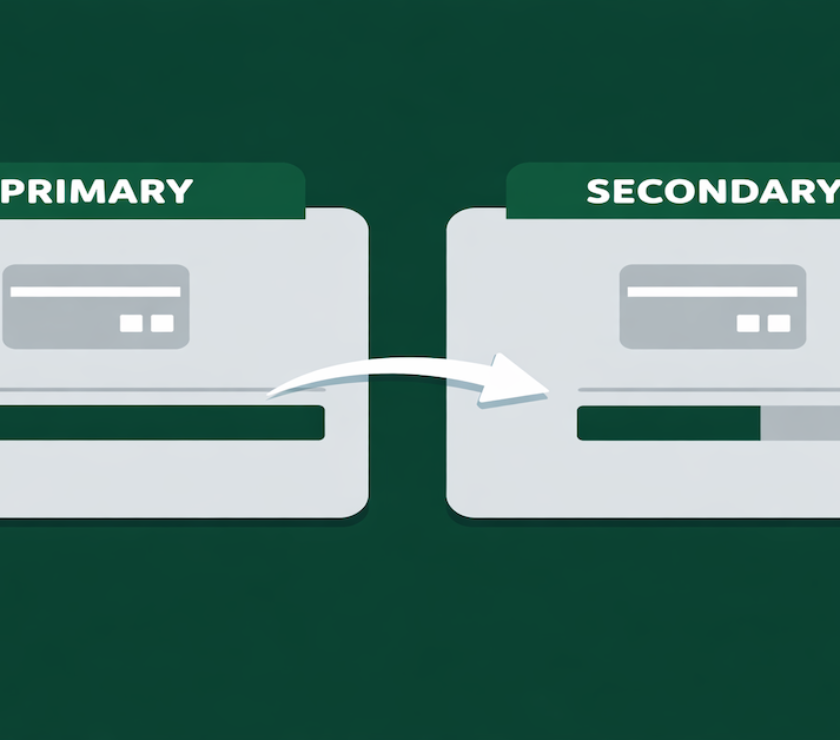
The Path from Secured to Unsecured
Secured cards aren't meant to be permanent. They're stepping stones.
Most people use a secured card for 6-12 months, build positive payment history, then either:
- Get upgraded: Some issuers automatically convert your secured card to unsecured and return your deposit
- Qualify for better cards: Apply for an unsecured card and close the secured account
The key is consistent on-time payments. That's what signals to lenders that you're ready for the next level.
Common Mistakes to Avoid
Mistake #1: Choosing based on rewards instead of qualification
If you can't qualify for an unsecured card, chasing rewards is pointless. Start where you can actually get approved.
Mistake #2: Maxing out your secured card
Just because your limit equals your deposit doesn't mean you should use it all. Keep utilization below 30% for best credit score impact.
Mistake #3: Not checking for graduation paths
Some secured cards automatically review your account for upgrade. Choose cards with clear graduation policies.
Mistake #4: Ignoring fees
Some secured cards charge annual fees or processing fees. Compare options before committing your deposit.
FAQ
Q: Will a secured card hurt my credit score?
A: No. When used responsibly, it builds credit the same way an unsecured card does. The only difference is the deposit requirement.
Q: Do I get my deposit back?
A: Yes, when you close the account in good standing or when the issuer upgrades you to an unsecured card.
Q: How long does it take to build credit with a secured card?
A: Most people see credit score improvements within 6-12 months of consistent on-time payments.
Q: Can I have both types of cards?
A: Yes. Some people keep a secured card for specific purposes even after qualifying for unsecured cards.
Q: What credit score do I need for an unsecured card?
A: Generally 650+ for standard cards, though some "fair credit" unsecured cards accept scores in the 580-650 range.
Ready to Build or Rebuild Your Credit?
The right card depends on where you are today—not where you wish you were. Be honest about your credit situation, choose the card that matches your current stage, and commit to consistent payments.
Found this helpful? Share it with someone rebuilding credit or subscribe for more practical money guides.
Authoritative Sources
Financial Disclaimer: This content is for informational purposes only and should not be considered financial advice. Always evaluate your personal situation before applying for credit products. Affiliate links help support our work, but they do not influence our recommendations.
This breakdown is super helpful, especially for people rebuilding credit who aren’t sure where to start. A lot of folks don’t realize that secured cards aren’t a downgrade—they’re more like a training wheel phase. If used right, they can be a solid stepping stone to unsecured cards without wrecking your score.
What I like about this article is how it explains the why behind each option, not just the definitions. Choosing between secured and unsecured cards really comes down to your current credit situation and goals. Understanding that difference can save people from applying too early and taking unnecessary hard inquiries.
Appreciate that. A lot of credit mistakes happen when people apply too early or chase cards they’re not ready for yet. Knowing why a secured or unsecured card fits your situation can save time, stress, and unnecessary score drops down the line.
Exactly. Secured cards get a bad rap, but when you use them intentionally, they’re one of the safest ways to rebuild credit without digging a deeper hole. It’s all about using that “training wheel” phase to build habits that carry over once you graduate to unsecured cards.