Updated: March, 2026
Home › FinTech & Modern Money Tools › Payment Apps & Digital Wallets › Micropayments FinTech Explained
Micropayments Explained: Real-World Examples and How Tiny Transactions Are Reshaping Spending
What You Need to Know
— Micropayments — transactions from fractions of a cent to a few dollars — became viable when processing costs dropped to near zero, unlocking entirely new ways to pay for content, support creators, and earn income
— The creator economy runs on micropayment infrastructure — a writer with 800 Patreon supporters at $4/month earns $38,400 annually from an average of one cup of coffee per person per month
— Four technology categories power the ecosystem: digital wallets, creator support platforms, blockchain networks, and social media integrations — each with specific real-world use cases
— Micropayment spending is easy to undercount because it is spread across platforms with no consolidated view — a budgeting tool that aggregates all accounts is the practical solution
— The next phase is aggregation and cross-platform portability — the fragmentation that currently limits micropayments is already being solved
Why Micropayments Work Now When They Didn’t Before
Micropayments — transactions ranging from fractions of a cent to a few dollars — are the infrastructure behind some of the most common financial interactions in digital life. Tipping a streamer on Twitch. Sending $2 to support a newsletter writer. Buying a game skin for 99 cents. Paying $1.29 for a single song. These are all micropayments, and they now process billions of times daily in ways that were economically impossible fifteen years ago.
The reason they were not viable earlier is straightforward: processing a 25-cent transaction used to cost more than the transaction itself. Traditional payment rails were built for larger transfers with fixed fee structures that made small payments economically absurd at scale. Three changes solved that. Real-time payment infrastructure matured to the point where settlement happens in milliseconds with processing overhead measured in fractions of a penny. The creator economy created cultural demand for direct small-amount financial support between audiences and creators. And the shift to a near-cashless, mobile-first environment removed the friction that once made small digital transfers feel like more effort than they were worth. The broader ecosystem that makes all of this possible is covered in the payment apps and digital wallets guide.
The Four Technology Categories Powering Micropayments
The micropayment ecosystem is not a single platform. It is a convergence of four infrastructure categories, each optimized for different use cases with different economics and different real-world applications.
1. Digital Wallets and Payment Apps
Cash App, Venmo, Apple Pay, and Google Wallet process millions of small transactions daily. Their infrastructure is optimized for transaction volume rather than transaction size — exactly what micropayments require. NFC tap-to-pay at a coffee shop for $3.75 is technically a micropayment. Splitting a $12 lunch four ways on Venmo produces $3 micropayments between four people. Round-up savings features that transfer 63 cents on a $7.37 purchase are micropayments happening automatically without user awareness.
2. Creator Support Platforms
Patreon, Ko-fi, and Substack are built on the insight that recurring small contributions from many people produce more stable creator income than sporadic large ones. A writer with 800 Patreon supporters contributing $4 per month earns $38,400 annually. A musician with 2,000 Ko-fi supporters at $3/month earns $72,000. These numbers come from the cost of a single coffee per person per month — an amount low enough that it does not feel like a financial commitment to the supporter, but significant enough to fund creative work at scale.
3. Blockchain and Stablecoin Networks
Cryptocurrency networks and stablecoin payment rails enable cross-border micropayments with minimal fees and near-instant settlement — solving a problem that traditional wire infrastructure cannot. A $10 payment from a US supporter to a Nigerian creator through traditional banking might cost $15–25 in wire fees, making the payment economically irrational. The same transfer via a stablecoin network on a blockchain costs less than a penny in transaction fees and settles in seconds.
4. In-Content Social Media Payments
TikTok LIVE Gifts, YouTube Super Thanks and Super Chat, and Twitch Bits embed payment directly into the content experience. The transaction happens without leaving the platform, entering payment information, or interrupting the viewing experience. TikTok Gifts range from 1 coin ($0.015) to 34,999 coins ($524.99). YouTube Super Thanks lets viewers pay $2, $5, $10, or $50 to highlight a comment. Twitch Bits are purchased in bundles and gifted at 1 Bit = approximately $0.01 to the streamer.
Five Real-World Micropayment Use Cases
1. Supporting independent creators. A podcast listener pays $5/month on Patreon for ad-free episodes and bonus content. A reader pays $7/month for a Substack newsletter from a writer they follow. A music fan pays $3/month to support an independent artist on Bandcamp. In each case, the creator receives direct income without advertising dependency, algorithm dependency, or label or publisher intermediaries. The micropayment infrastructure handles the money; the creator handles the work.
2. Pay-per-use content access. Instead of a $15/month newspaper subscription, some publishers are testing per-article access at $0.25–$0.50. A reader who wants two articles per month pays $0.50–$1.00 rather than $15. For the publisher, this captures revenue from users who would never subscribe but will pay for occasional access. For the reader, it removes the psychological friction of paying for a subscription to something they use occasionally. This model is early-stage in media but growing.
3. Freelance micro-services. A graphic designer sells individual social media templates for $1.99 on Gumroad. A developer sells a browser extension for $2.99. A writer sells a prompt template pack for $4.99. These are services that would have been economically unviable to sell online ten years ago because payment processing fees would have consumed most of the revenue. Current micropayment infrastructure makes them practical business models at scale.
4. International remittances at micro scale. A gig worker in Mexico regularly receives $8–15 payments from U.S. clients for small tasks. Through traditional bank transfer, the fees on a $10 international payment could equal or exceed the payment. Through blockchain-based payment rails or stablecoin transfers on platforms like Bitso or Stellar-based apps, the same transfer arrives in full within minutes at a fraction of a cent in fees.
5. Gaming and digital goods. A Fortnite player buys 1,000 V-Bucks for $7.99 and spends them on a $5.00 costume. A Roblox player receives 400 Robux as a birthday gift and spends 80 Robux ($0.99) on a game accessory. These gaming economies process billions of micropayments annually. The entire freemium gaming model — free to play, optional paid enhancements — exists entirely because micropayment infrastructure makes small in-game purchases economically viable at the volume required to sustain game development.
The Pricing Model Shift: What Near-Zero Processing Costs Change
When transaction costs approach zero, pricing models that were previously impossible become practical. A media company that previously had to charge $10/month for unlimited access — because processing forty 25-cent transactions was prohibitively expensive — can now offer per-article, per-episode, or per-feature pricing that expands access to users who would never pay a subscription price.
The access implication is significant and underappreciated. A student who cannot afford a $50/month professional software subscription might pay $0.50 for the one template they need for a single project. A reader in a lower-income market might pay $0.10 for a single article rather than $12/month for a subscription. Aggregated across large user bases, pay-per-use micropayment models can expand access to premium tools and content to populations previously priced out entirely.
What Comes Next: Aggregation and Cross-Platform Portability
The micropayment infrastructure is functional at scale, but the user experience layer is still fragmented in ways that limit its full potential. Three developments are already in motion that will define the next phase.
Bundled aggregation. Managing dozens of separate micropayment subscriptions and one-off purchases across multiple platforms creates management overhead. The likely evolution is platforms that aggregate micropayments into a single monthly charge that distributes automatically to creators and services — preserving the pay-as-you-go economics while eliminating the individual transaction management burden. Think of it as a micropayment utility bill: one charge, automatic distribution.
Cross-platform portability. TikTok coins do not work on YouTube. Twitch Bits do not work on Instagram. Patreon memberships are platform-specific. This fragmentation locks value inside individual platforms and creates friction for both creators and supporters. A unified wallet or micropayment standard that works across platforms would dramatically expand utility — and the technical infrastructure to build it already exists. Regulatory pressure for interoperability in digital payments is accelerating this development.
AI-driven micropayment personalization. Machine learning will increasingly optimize when and how micropayment prompts appear — identifying the moments of highest conversion likelihood based on individual behavior patterns and calibrating the offer accordingly. For creators, this means better conversion on support asks without increasing friction. For consumers, it means prompts that feel relevant rather than intrusive. The challenge is doing this in a way that feels helpful rather than manipulative, which requires behavioral understanding at a level current systems are still developing.
Micropayments are one layer of a complete digital payment system.
The complete framework for evaluating, using, and integrating payment apps, digital wallets, and payment tools into a money system that runs automatically is in the Payment Apps & Digital Wallets guide.
Explore Payment Apps & Digital Wallets →Resources
Official Sources
FDIC — Mobile and Digital Payments — Federal Deposit Insurance Corporation consumer guidance on mobile payment security, fraud protections, and how digital payment infrastructure connects to FDIC-insured accounts.
CFPB — Money Transfers — Consumer Financial Protection Bureau guidance on digital money transfers, consumer rights in payment disputes, and how to protect yourself when using payment apps.
Continue Building Your Payment System
Micropayments are one piece of a complete payment infrastructure. The full framework for evaluating and integrating digital wallets, P2P apps, and payment tools lives in the FinTech & Modern Money Tools guide.
Frequently Asked Questions
Are micropayments secure?
Yes. FinTech platforms processing micropayments use the same encryption, fraud detection, and tokenization that apply to larger transactions. The payment size does not change the security infrastructure. A $0.50 transaction receives the same fraud monitoring as a $500 transfer on the same platform. The risk with micropayments is not security — it is tracking. Small payments spread across many platforms are easy to undercount without a consolidated budgeting view.
How small can a micropayment actually be?
Traditional payment rails typically bottom out around $0.10–$0.25 due to processing minimums. Blockchain-based networks can handle payments measured in thousandths of a dollar — practical for cross-border creator support or streaming media where per-second billing is technically possible. In-platform currencies like TikTok coins (1 coin = ~$0.015) extend this further. The floor continues to drop as infrastructure costs decrease.
Will micropayments replace subscriptions?
Not entirely — they serve different consumption patterns. Subscriptions work best for predictable, ongoing access where the user wants consistent availability without per-use decisions. Micropayments work better for variable or occasional consumption where a subscription commitment feels disproportionate to actual use. The two models coexist, with different content categories gravitating toward whichever structure fits their consumption pattern. Many platforms offer both simultaneously.
How do I track micropayment spending in my budget?
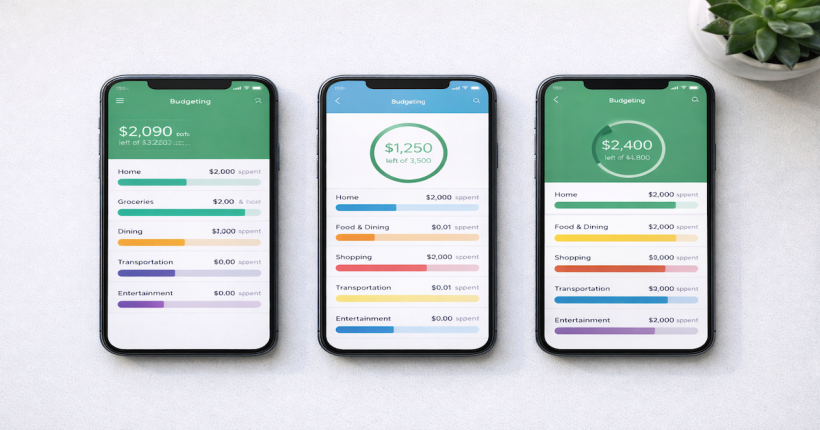
The most practical solution is a budgeting app that aggregates all accounts and payment platforms in one dashboard. Micropayment spending is deliberately designed to feel low-friction and low-stakes per transaction — which means it accumulates without feeling significant. Monarch Money and similar aggregation tools pull transactions from payment apps alongside bank accounts, making total micropayment spending visible in one place. Manual tracking across separate platforms consistently undercounts this category.
What are the fees on micropayments for creators?
Platform fees are typically percentage-based rather than fixed — usually 2–8% depending on the platform, sometimes with volume discounts for high-frequency creators. Patreon charges 5–12% of earnings depending on the plan. Ko-fi takes 0% on sales for paid members and a platform fee on free accounts. TikTok, YouTube, and Twitch each take 50% of virtual gift and Bits revenue before paying creators. Understanding the platform fee structure before choosing where to monetize is essential — the net-to-creator amount varies significantly across platforms for identical gross revenue.
Disclaimer: This article is for informational and educational purposes only and does not constitute financial advice. Micropayment platforms, digital wallets, and FinTech services carry their own terms, fees, and risks that change frequently. Always verify current fee structures and terms directly with any platform before routing payments through it. PersonalOne does not endorse specific payment platforms. Consult a certified financial professional before making significant financial decisions.