Updated: August 26, 2026
Home › Credit Building & Protection › Credit Utilization & Payment Strategy › How to Request a Credit Limit Increase to Lower Your Utilization
What You Need to Know
— A credit limit increase lowers your utilization ratio instantly — same balance, higher limit, lower percentage. It is one of the fastest utilization levers available without paying down debt.
— Timing matters more than most people realize. Requesting too early, too often, or right before a major loan application can cost more than it gains. The request needs a specific setup window to work correctly.
— Some issuers use a soft inquiry — no score impact. Others use a hard inquiry — temporary score dip. Knowing which before you request prevents an unintended score drop at the wrong moment.
— The score benefit only materializes if your spending behavior doesn't change after the increase. A higher limit with the same spending pattern lowers utilization. A higher limit with proportionally higher spending produces zero benefit.
— When one issuer denies you, the denial itself tells you something useful. The reason code in the denial letter is a diagnostic tool — it tells you exactly what to fix before the next request.
A credit limit increase is one of the most underused tools in utilization management — and one of the most misunderstood. Most people think of it as something that happens automatically when they've been a good customer long enough, or as a reward for paying on time. That framing is passive and it leaves real score improvement on the table. A credit limit increase is a strategic tool you request deliberately, at a specific time, on a specific card, as part of a system for managing what your score sees each month.
The math is simple: utilization equals balance divided by limit. If your limit goes up and your balance stays the same, your utilization goes down. A $1,500 balance on a $3,000 limit is 50% utilization. The same $1,500 balance on a $5,000 limit is 30%. On a $7,500 limit it's 20%. The balance didn't change. The behavior didn't change. Only the limit changed — and the score reflects the new ratio within one reporting cycle. This guide covers exactly when to request a credit limit increase, which card to target first, how to maximize approval probability, what happens if you're denied, and how the increase fits into the broader utilization management system.
When to Request — and When to Wait
The timing of a credit limit increase request determines both the probability of approval and the net score impact. Requesting at the wrong moment can result in a hard inquiry that temporarily drops your score without the offsetting benefit of an approved increase — a net negative outcome that takes months to recover from.
The minimum setup window: six to twelve months of account history. Most issuers require at least six months of on-time payments before considering a limit increase request. Twelve months is stronger. Issuers evaluate your account history first — consistent on-time payments, low average utilization, no returned payments, no recent disputes on the account. An account with six months of perfect history is approvable. An account with twelve months of perfect history at a low utilization average is in a much stronger position for a larger increase.
Request after an income increase. Issuers ask for your current annual income as part of the limit increase request. A higher income number is the single most effective factor in receiving a larger approved increase. If your income has grown since you opened the card — a raise, a new job, freelance income that's become consistent — update your income on file with the issuer before requesting. Many issuers allow income updates through the account portal without triggering a review. Updating income first, then requesting the increase two to four weeks later, gives the issuer time to register the new income before evaluating the request.
Do not request within 90 days of a major loan application. If you are planning to apply for a mortgage, auto loan, or any significant credit product within the next 90 days, do not request a limit increase. If the issuer uses a hard inquiry, that inquiry appears on your report and is visible to the lender reviewing your mortgage application. Multiple recent inquiries signal credit-seeking behavior — even if each inquiry was for a legitimate purpose. Wait until after the loan closes, then request the increase.
Do not request within 30 days of another hard inquiry. If you recently applied for a new credit card or loan, wait at least 30 days before requesting a limit increase on an existing card. Stacking hard inquiries in a short window produces a compounding negative effect that outweighs the utilization benefit of the increase.
What I've Seen
The mistake I see most often is requesting a limit increase on the wrong card — the newest card, the one with the lowest limit, the one the person uses least. The highest-value target for a limit increase is almost always the card with the highest balance-to-limit ratio — the card where utilization is doing the most damage to your score right now. Doubling the limit on a card at 60% utilization drops it to 30% in one cycle. Doubling the limit on a card at 5% utilization produces almost no measurable score improvement because the card wasn't dragging the score down to begin with. Target the problem card first.
Which Card to Target First
Not all cards are equal candidates for a limit increase request. The card that produces the largest score improvement per request is the one where utilization is currently highest — specifically the card with the highest balance-to-limit ratio, not the highest absolute balance. A $2,000 balance on a $3,000 limit card is a higher-priority target than a $5,000 balance on a $20,000 limit card, because the first card is reporting 67% utilization while the second is reporting 25%.
Calculate each card's individual utilization rate. List every card you carry, its current reported balance, and its credit limit. Divide each balance by its limit to get the individual utilization rate. Rank the cards from highest to lowest utilization. The highest-utilization card is your first target. A limit increase on that card produces the most immediate and measurable score improvement. The relationship between the numbers and your score is covered in the article on what credit utilization is and why the 30% rule is a myth — the full picture of how utilization thresholds affect your score at different levels.
Consider the issuer's likelihood of approval. Different issuers have different policies on limit increase requests. Some grant increases automatically for accounts in good standing. Others require a request and use either a soft or hard inquiry. For your highest-utilization card, check the issuer's policy before requesting — if they use a hard inquiry and you're approaching a major application window, it may be better to target a different card whose issuer uses a soft inquiry, even if the score improvement will be smaller.
The soft inquiry vs. hard inquiry distinction by major issuer. Issuers that typically use soft inquiries for limit increase requests include American Express, Capital One, and Discover — these are the safest cards to request on without score impact. Issuers that typically use hard inquiries include Barclays, Bank of America, and some Chase products. "Typically" is the operative word — issuer policies change and vary by card product. Before requesting, call the number on the back of your card and ask directly: "Will a credit limit increase request result in a hard or soft inquiry on my credit report?" A representative can tell you before you submit the request. Always ask first.
How to Request: The Preparation and Submission Process
The request process itself is straightforward — but what you do in the two to four weeks before submitting matters as much as the request itself. A well-prepared request is more likely to be approved and more likely to receive a larger increase than an unprepared one.
Step 1 — Update your income on file. Log into your account portal and look for an option to update your income or personal information. Your annual income is the primary variable the issuer uses to determine the new limit. Update it to reflect your current income — including all verifiable income sources: salary, freelance income that has been consistent for at least 12 months, investment income, rental income. Do not inflate the figure — issuers verify income for larger increases and misrepresentation can result in account closure. Submit the income update two to four weeks before your limit increase request.
Step 2 — Make a large payment before requesting. If your balance is currently high on the card you're targeting, make a payment that brings it below 30% of the current limit before submitting the request. A lower utilization at the time of the request signals responsible account management and makes the issuer more confident that a higher limit won't result in higher balances. Requesting with a 70% utilization balance tells the issuer you need more credit because you're using all of what you have — not a strong approval signal.
Step 3 — Submit the request through the account portal or by phone. Most issuers allow limit increase requests through the online account portal — look for "Credit Limit Increase" or "Request a Credit Line Increase" in your account settings or account services section. If the option isn't visible online, call the number on the back of your card. When submitting, you'll typically be asked for your annual income, your monthly housing payment, and the specific limit you're requesting.
What limit to request. Ask for a specific number rather than leaving it open-ended. A reasonable request is 25% to 50% above your current limit — enough to produce meaningful utilization reduction without appearing aggressive. On a $3,000 limit card, requesting $4,500 to $5,000 is reasonable. Requesting $10,000 on the same card is likely to be declined and may trigger a review of your account. If your account history and income support a larger increase, the issuer will often approve more than you asked for. Anchor at 25% to 50% and let the issuer surprise you upward.
What Happens to Your Score After an Approved Increase
When a limit increase is approved, the new limit is reported to the credit bureaus at your next statement close date. Your utilization ratio recalculates automatically based on the new limit. If your balance stays the same, your utilization drops immediately — and your score reflects the lower utilization within one reporting cycle, typically 30 to 45 days after the new limit appears on your report.
The score improvement is not gradual. Like all utilization changes, it is immediate and complete in the first cycle after the new limit reports. A card that moved from 60% to 25% utilization produces the full score improvement in one cycle, not spread across several months. This is what makes a well-timed limit increase one of the fastest score-improvement tools available — faster than building payment history, faster than aging accounts, faster than most other credit actions. Understanding the full picture of the best credit utilization ratio for your score — including exactly which thresholds produce the largest score improvements — helps you set a target for what utilization you want to achieve after the increase and whether one increase gets you there or whether you need a staged approach.
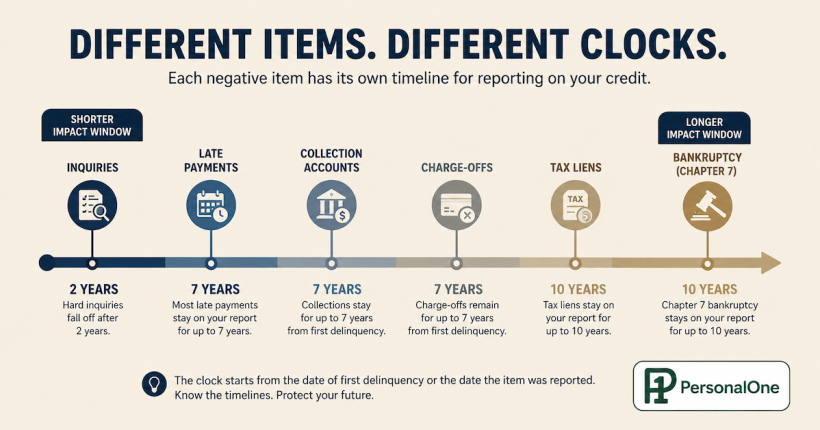
If the issuer used a hard inquiry for the request, that inquiry produces a small temporary score dip — typically 5 to 10 points — at the moment it posts. The utilization improvement from the approved increase will outweigh the inquiry impact within one to two billing cycles in most cases, producing a net positive score outcome. The inquiry itself fades from scoring calculations over 12 months and drops off your report entirely after two years.
One critical behavioral requirement: the score benefit only materializes if your spending behavior doesn't change proportionally after the increase. A limit increase from $3,000 to $5,000 with a balance that also grows from $1,500 to $2,500 produces the same 50% utilization as before — zero improvement. The increase only lowers utilization if the balance stays the same or lower. Maintaining the same payment discipline after the increase that earned it in the first place is what converts the approved limit into a sustained score improvement rather than a temporary one.
What to Do When You're Denied
A denied limit increase request is not a closed door — it's a diagnostic. When an issuer declines a request, they are required to send you an adverse action notice explaining the specific reasons for the denial. That notice is one of the most actionable pieces of information in personal finance — it tells you exactly what the issuer saw as the problem and, by implication, exactly what to fix before the next request.
Common denial reasons and what they mean:
"Too many recent inquiries." You've applied for several credit products in a short window. The fix is time — wait six to twelve months without new applications before requesting again. This is one of the strongest signals that the timing of your request was wrong. Managing the number of inquiries on your report is part of the broader credit management picture covered in the guide on should you close a credit card with a zero balance — the interplay between account management decisions and their scoring consequences.
"High utilization on existing accounts." Your current balances are too high relative to your existing limits. The issuer doesn't want to extend more credit when you're already near your current limits. The fix: pay down balances before the next request. Get every card below 30% utilization, ideally below 10%, before submitting again. Then pay down the target card specifically to a low balance immediately before the next request.
"Insufficient account history." The account hasn't been open long enough or doesn't have enough payment history to support a larger limit. The fix is time — continue making on-time payments and try again after three to six more months of clean history.
"Income insufficient to support a higher limit." Your reported income doesn't support the limit you requested. Update your income on file to reflect current earnings and request a more modest increase — 25% rather than 50% — at the next attempt.
After a denial, wait at least six months before requesting again at the same issuer. The denial itself doesn't affect your score — only a hard inquiry does, and that's already posted. Use the waiting period to address the specific reason cited and build a stronger case for the next request. In the meantime, the other utilization management tools in this cluster — payment timing adjustments and multi-card balance management — can lower your utilization without requiring issuer approval. The full strategy for how to manage credit utilization across multiple cards covers the balancing and targeting approach that works in parallel with the limit increase strategy.
How Limit Increases Fit Into the Broader Utilization System
A credit limit increase is one tool in a utilization management system — not the system itself. Used correctly, it works alongside payment timing, balance management, and card selection to keep your reported utilization consistently below 10% across all cards. Used in isolation, it produces a one-time improvement that fades if behavior doesn't support the new limit.
The complete utilization management system has three levers working simultaneously. Payment timing controls what balance gets reported at statement close — covered in depth in the guide on paying your credit card twice a month. Balance reduction addresses the numerator of the utilization calculation — what you owe. Limit increases address the denominator — what you're allowed to owe. All three levers affect the same ratio from different angles. The most powerful score improvements come from using all three together rather than relying on any single approach.
For someone actively building credit with limited tools — a secured card, a credit builder loan, a single starter card — a limit increase on the one card they have can be the highest-leverage single action available. Moving from a $500 secured card limit to a $1,000 limit doesn't sound dramatic, but on a $200 balance it moves utilization from 40% to 20% — a meaningful score improvement at a stage where every point matters. The full framework for using every available tool in the credit building process, including limit increases at the right stage, is covered in the guide on how to increase your credit score quickly.
Build the Complete Utilization System
A limit increase is one lever. The Credit Utilization & Payment Strategy cluster covers every tool — payment timing, balance management, multi-card strategy, paycheck timing, and the reporting mechanics that determine what your score actually sees each month.
Explore the Full StrategyFrequently Asked Questions
Will requesting a credit limit increase hurt my credit score?
It depends on whether the issuer uses a hard or soft inquiry to evaluate the request. Issuers that use soft inquiries — including American Express, Capital One, and Discover for most products — produce no score impact from the request itself. Issuers that use hard inquiries produce a temporary 5 to 10 point dip that typically resolves within one to two billing cycles once the utilization improvement from the approved increase is reflected. Always ask the issuer directly before submitting — call the number on the back of your card and ask whether a limit increase request will result in a hard or soft inquiry.
How much of a credit limit increase should I ask for?
Request 25% to 50% above your current limit. On a $3,000 limit, that means requesting $3,750 to $4,500. This range is large enough to produce meaningful utilization reduction while staying within what most issuers consider reasonable for an account in good standing. Requesting a dramatically higher limit — doubling or tripling the current limit in a single request — is more likely to be declined and may trigger additional account review. If your income and history support a larger increase, the issuer will often approve more than you requested. Start conservative and let the issuer surprise you upward.
How long after opening a credit card should I wait to request a limit increase?
At minimum, six months of on-time payment history. Twelve months is stronger. Most issuers want to see consistent payment behavior, low average utilization, and no returned payments before approving a limit increase. Some issuers — Capital One in particular — grant automatic limit reviews at specific intervals (typically at the 5-month and 12-month marks) for new accounts in good standing. Check your card's benefits or call your issuer to understand their automatic review schedule before submitting a manual request — you may be eligible for an automatic increase that doesn't require a request at all.
Can I request a limit increase on multiple cards at the same time?
Technically yes — but doing so is not recommended if any of those issuers use hard inquiries. Multiple hard inquiries within a short window stack negatively in your credit profile. If all the issuers you're targeting use soft inquiries, simultaneous requests are lower risk — soft inquiries have no scoring impact. The more strategic approach is to sequence requests: target your highest-utilization card first, wait one to two billing cycles to let the score improvement reflect, then target the next highest-utilization card. This produces cumulative score improvement with manageable inquiry exposure.
My limit increase was denied — will it hurt my score?
The denial itself does not affect your score. If the issuer used a hard inquiry as part of the evaluation, that inquiry has already posted to your report regardless of whether the request was approved or denied — the inquiry impact is the same either way. The denial is simply the issuer's decision not to extend more credit at this time. Review the adverse action notice for the specific reason, address the underlying issue, and wait at least six months before requesting again at the same issuer.
Is it better to request a limit increase or open a new card to lower utilization?
For most situations, requesting a limit increase on an existing card is the better choice. Opening a new card does increase your total available credit — which lowers your overall utilization ratio — but it also creates a new account that temporarily reduces your average account age and triggers a hard inquiry. For someone with less than three years of average account age, opening a new card to lower utilization is trading one scoring factor (utilization) for another (account age). A limit increase on an existing card lowers the utilization ratio on that specific card and improves the overall ratio with no account age impact and potentially no hard inquiry. The exception: if you've been denied a limit increase at your current issuers and need a utilization reduction before a major loan application, a new card may be the practical alternative — but the timing and impact need to be evaluated carefully against the application timeline.
Government Resources
CFPB — What Is a Credit Utilization Rate? — Official guidance on how utilization is calculated and how it affects your score.
CFPB — Credit Reports and Scores — Consumer rights regarding credit reporting and how to access your reports.
FTC — Understanding Your Credit — How credit scores are calculated and what factors lenders use when evaluating applications.
Return to the full credit building and protection guide for a complete overview of every credit strategy covered on PersonalOne.
This article is for educational purposes only and does not constitute financial or credit advice. Issuer policies on hard vs. soft inquiries, approval criteria, and limit increase processes change frequently — verify current terms directly with your card issuer before submitting any request. PersonalOne is a free financial education platform.