Updated: May 7, 2026
Home › Budgeting & Savings › Savings Strategy & Wealth Growth › Save on Groceries: Couponing
TL;DR
-- Groceries are one of the largest variable expenses in most budgets and one of the most actionable to reduce.
-- Strategic couponing in 2026 is almost entirely digital -- store apps, loyalty programs, and cashback platforms are where most savings live now.
-- Stacking manufacturer coupons with store coupons where permitted produces the highest per-transaction savings.
-- Planning meals before shopping -- not shopping and then planning meals -- is the structural habit that makes every other tactic work.
-- Savings only count when redirected: grocery savings that disappear back into general spending produce no lasting benefit.
Couponing is one of the most underused grocery savings tools available to households that are already spending hundreds of dollars per month on food. Grocery costs in the U.S. remain one of the biggest pressure points in household budgets -- and unlike rent or loan payments, they are variable enough to respond directly to behavioral changes. Even as broad inflation has moderated from its 2022–2023 peak, food prices have stabilized at a materially higher baseline than pre-pandemic levels, which means the opportunity to systematically reduce this category is more valuable than ever.
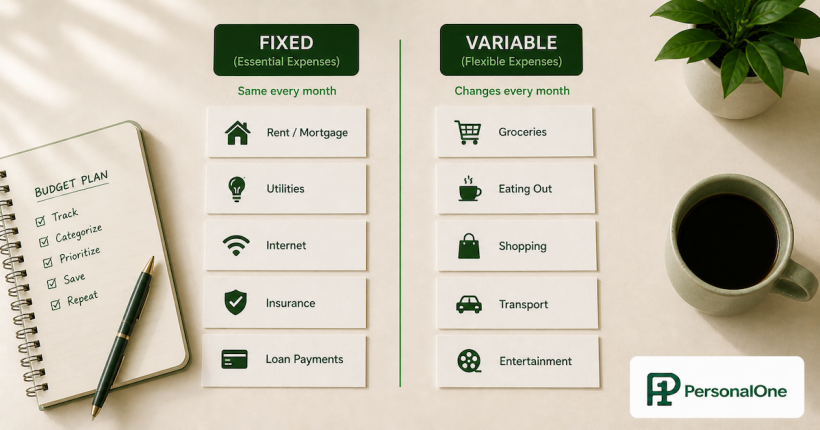
That makes grocery spending one of the highest-leverage budget categories available. It is large enough to matter, frequent enough that small per-trip improvements compound over 12 months into significant annual savings, and directly responsive to the kind of managing your largest variable expenses that produces real cash flow improvements without touching fixed obligations. A household that reduces grocery spending by $80 per month saves $960 per year -- enough to fund an emergency fund starter, a sinking fund contribution, or a meaningful savings goal.
The CFPB identifies reducing recurring variable expenses as one of the most effective household strategies for freeing up money for savings and financial stability. Groceries qualify on every dimension: recurring, variable, and within behavioral control.
Why Strategic Couponing Works (and What It Is Not)
Strategic couponing is not the hoarding behavior associated with extreme couponing television shows from a decade ago. It is not buying 40 bottles of mustard because they were deeply discounted. It is the disciplined practice of systematically reducing the cost of purchases you were already going to make by applying available discounts before checkout.
The distinction matters because the most common couponing mistake -- buying something specifically because it is on sale -- produces negative savings. You did not save money; you spent money you were not going to spend. Real grocery savings come from reducing the cost of your planned list, not from expanding your list because discounts made items seem attractive.
Done correctly, strategic couponing regularly reduces grocery bills by 20 to 40 percent without changing what a household eats or requiring significant time investment beyond a weekly planning routine. The CFPB’s consumer financial tools consistently point to meal planning and expense reduction as core levers for improving household cash flow.
Understanding the Types of Coupons in 2026
Couponing has shifted almost entirely digital. Paper inserts still exist and are worth using for household staples, but the majority of available savings now live in apps and loyalty programs that most shoppers have but underutilize.
Manufacturer coupons are issued directly by brands and are typically usable at multiple retailers. They appear in brand apps, brand email programs, and printable offer websites. Their value does not depend on where you shop, which makes them flexible.
Store coupons are issued by the retailer and apply only at that specific chain. They live in the store app, in weekly digital circulars, and in loyalty program accounts. Most major U.S. grocery chains now gate their best prices behind app-based loyalty programs -- the “card price” or “app price” shown on shelf tags is only available to members.
Coupon stacking is the practice of applying both a manufacturer coupon and a store coupon to the same item in the same transaction. Not all retailers allow this, and store policy varies. When it is permitted, stacking produces the largest per-item discount because both reductions apply simultaneously. Checking the store’s coupon policy before shopping eliminates checkout frustration.
Cashback apps such as Ibotta and Fetch Rewards operate differently from coupons: they provide post-purchase rebates after you submit a receipt rather than reducing the price at checkout. They layer on top of existing coupons rather than replacing them, which means a single purchase can generate savings from a manufacturer coupon, a store coupon, and a cashback rebate simultaneously.
Where to Find the Most Valuable Coupons
Your primary grocery store app is the first place to look. Most major chains have shifted their discount infrastructure entirely into their loyalty apps. Kroger, Safeway, Publix, Target, Walmart, and most regional chains require app enrollment to access clip-and-save digital coupons. Spending five minutes before each shopping trip clipping available digital coupons on items your list already includes is the single most accessible change most households can make.
Brand and manufacturer programs are the second tier. Many brands run loyalty programs, weekly email discounts, or manufacturer coupon portals that are separate from the store ecosystem. Signing up for email programs from brands you regularly buy -- cleaning products, paper goods, pantry staples -- typically produces a monthly stream of manufacturer coupons that stack on top of store discounts.
Cashback apps require a receipt photo or connected loyalty account after purchase. The setup takes 10 minutes and the per-purchase rebates are small individually, but across a year of grocery shopping they add up to meaningful totals for households that use them consistently.
Weekly circulars -- digital versions of which are available through every major chain’s app or website -- identify which items are on sale that week. Building meals around sale items rather than buying sale items on top of a predetermined meal plan is the structural shift that converts weekly specials from impulse purchases into genuine savings.
Building a Strategic Shopping Plan
The sequence matters: plan meals first, then check available coupons and sales, then build the shopping list. Most households do this in reverse -- they decide what to make, write a list, then look for deals at checkout or not at all. Flipping the sequence creates a planning process where available discounts actively shape which meals get made that week.
Step 1: Check the weekly circular before planning meals. Identify which proteins, produce, and staples are on sale this week. Plan two or three meals around those items. This is not about eating foods you do not want -- it is about choosing which version of dinner to make based on what is priced favorably this week.
Step 2: Open your store app and clip relevant digital coupons. Do this before you leave for the store, not at the register. Items on your list that also have available coupons get double savings: the sale price plus the coupon discount.
Step 3: Check cashback apps for any list overlap. This takes two minutes and adds a third savings layer to items where all three discounts align.
Step 4: Shop from the list only. This is the discipline step. Unplanned purchases made because something looked good or seemed like a deal erode all the savings generated by the planning process. The list is the budget. Shopping from it is what makes the math work.
Step 5: Track sale cycles for staples. Most grocery staples -- canned goods, pasta, rice, cooking oils, cleaning products -- rotate through sales every four to six weeks. Once you recognize the cycle for items you use regularly, you can stock up during sale weeks and avoid buying at full price. This requires moderate upfront investment but eliminates a significant portion of full-price staple purchases over time.
Grocery savings are only valuable when they go somewhere.
Cutting $80 per month from your grocery bill produces $960 per year -- if it gets redirected into savings rather than absorbed by other spending. A complete savings framework ensures that freed-up money goes where it should.
Explore the Budgeting & Savings SystemCommon Couponing Mistakes That Eliminate Savings
Buying items because they are discounted, not because you need them. This is the most common and most financially damaging couponing error. A 40% discount on a product you were not going to buy is a 60% expenditure, not a savings event. Every item on the list should be there because your household uses it, not because a coupon made it attractive.
Ignoring expiration dates on perishable stockpile purchases. Buying six yogurts because they were on sale generates negative savings if four of them expire before they are eaten. Stockpiling works for shelf-stable items with long expiration windows. It does not work for produce, dairy, or other perishables beyond what your household realistically consumes before the date.
Not redirecting the savings. This is the structural failure that makes couponing feel like a lot of effort for little result. If the $60 saved on groceries this month blends back into general checking and disappears into other spending, the behavior produced no lasting benefit. Set up an automatic transfer for the difference between your pre-couponing grocery average and your post-couponing actual spend. The highest-impact destination for those first redirected dollars is redirecting grocery savings into an emergency fund -- the buffer that prevents the next unexpected expense from erasing every dollar the couponing habit just freed up.
How Grocery Savings Fit Into the Bigger Savings Picture
Grocery savings are a lever, not the destination. Reducing food spending by $60 to $100 per month is meaningful specifically because it frees up cash flow that can be directed toward goals that compound over time: an emergency fund, a sinking fund for known future expenses, or an automated monthly savings transfer.
The CFPB consistently identifies recurring variable expense reduction as a primary mechanism for increasing household savings rates. Groceries are variable -- unlike rent or loan payments, they respond directly to behavioral changes. That responsiveness is what makes them a high-value target for intentional reduction compared to fixed expenses that require negotiation or major financial decisions to change.
The habit that makes couponing compound over time is the redirect. Couponing is one component of a broader approach to saving money without major lifestyle changes -- the same structural logic applied to subscriptions, bill renegotiations, and windfall redirection produces a combined monthly savings rate that changes the financial picture significantly. Automating the redirect -- scheduling a transfer on payday for the approximate monthly grocery savings -- is what converts a shopping behavior into a wealth-building behavior.
The Bottom Line on Grocery Couponing
Strategic couponing in 2026 requires no newspaper clipping, no binder of physical coupons, and no two-hour pre-shopping ritual. It requires a store loyalty app, five minutes of coupon clipping before each trip, and a shopping list you actually shop from. Those three things together produce meaningful, consistent grocery savings with minimal time investment.
The cumulative effect across 12 months is substantial. A household that averages $70 in monthly grocery savings through consistent coupon use and strategic shopping saves $840 per year from a budget category that was always going to get spent anyway. Combining that with the everyday money-saving strategies that address other variable categories multiplies the total freed-up cash flow into a number that meaningfully changes the savings rate.
Freed-up money without a destination disappears. The step that converts couponing from a grocery habit into a financial result is redirecting savings into a system that grows -- with automated transfers, rate targets, and account structure that ensure the $840 saved this year compounds rather than dissolves. That is the complete picture of what this habit is building toward, and it sits inside a broader budgeting and savings system for long-term wealth growth where every freed-up dollar has a designated job.
Official Resources
CFPB -- Budgeting Tools and Expense Reduction Guidance -- Government tools for identifying and reducing variable expenses including food and household costs.
Bureau of Labor Statistics -- Food at Home CPI Component Data -- Monthly data tracking grocery price changes as a separate component of the Consumer Price Index.
FDIC -- Money Smart Financial Education Program -- Free financial education resources covering budgeting, savings, and expense management strategies.
Continue Learning About Budgeting & Savings
Grocery savings are one variable expense category within a complete financial system. The full framework for turning consistent savings habits into long-term wealth is in the Budgeting & Savings guide.
Frequently Asked Questions
How much can I realistically save with grocery coupons?
The range varies based on household size, shopping frequency, and how systematically you apply available discounts. Households that clip store app coupons, check weekly circulars, and use one or two cashback apps consistently report 20 to 40 percent reductions in their grocery bills compared to non-coupon shopping. For a household spending $500 per month on groceries, a 25 percent reduction is $125 per month or $1,500 per year.
What is coupon stacking and do all stores allow it?
Coupon stacking means applying both a manufacturer coupon and a store coupon to the same item in the same transaction. When both discounts apply, the savings are additive. Most large grocery chains permit stacking, but the rules vary by retailer and sometimes by store location. Check the store’s coupon policy in the app or at customer service before shopping to confirm what combinations are permitted.
Do I need to spend a lot of time couponing for it to be worth it?
The highest-effort version of couponing -- clipping dozens of paper coupons, visiting multiple stores, tracking complex stacking combinations -- is not required for meaningful savings. A realistic weekly routine of five minutes checking the store app before shopping, planning two or three meals around sale items, and submitting a cashback receipt after the trip produces consistent savings with minimal time investment. The return on that 10 to 15 minutes weekly is significantly higher than most other personal finance time investments.
What should I do with the money I save?
Redirect it explicitly before it dissolves back into general spending. Set up an automatic monthly transfer for approximately the amount you expect to save -- even a round number like $50 or $75 -- and direct it to a specific savings goal. Freed-up money that is not explicitly captured does not produce lasting financial benefit. The transfer is what converts a grocery habit into a savings result.
Are cashback apps worth using alongside coupons?
Yes, for items already on your list. Cashback apps provide post-purchase rebates after receipt submission and are completely compatible with coupon use -- they operate in addition to store and manufacturer coupons, not instead of them. The per-transaction rebates are usually modest, but they compound across a full year of shopping. The BLS tracks food-at-home prices monthly; as grocery costs remain elevated relative to pre-pandemic levels, every additional discount layer is worth using on planned purchases.
This content is for educational purposes only and does not constitute financial advice. PersonalOne is not a licensed financial advisor, broker, or investment professional. Individual financial situations vary -- consult a qualified financial professional for personalized guidance.