Updated: April 21, 2026
Home › FinTech & Modern Money Tools › Budgeting Apps & Financial Automation › YNAB Review: Is You Need a Budget Worth It?
TL;DR
— YNAB (You Need a Budget) is a zero-based budgeting app built around giving every dollar a specific purpose before you spend it.
— Pricing: $14.99/month or $109/year after a 34-day free trial — no credit card required to start.
— Best for people who want hands-on control, strict category discipline, and an active role in managing every dollar.
— Key advantage: the zero-based method is one of the most effective frameworks for breaking the paycheck-to-paycheck cycle and eliminating debt.
— Main limitation: requires consistent manual engagement — if you want automation with minimal input, a different tool may serve you better.
— YNAB covers day-to-day budgeting only — it does not track investment portfolios or provide net worth analysis.
YNAB has been one of the most consistently recommended budgeting tools for over a decade, and for good reason. Its zero-based budgeting methodology — the idea that every dollar you earn gets assigned a specific job before you spend it — is one of the most effective frameworks for people who want deliberate control over where their money goes.
That said, YNAB is not for everyone. It requires regular engagement, a willingness to learn a new system, and comfort with hands-on category management. If you are looking for a tool that tracks your spending automatically in the background with minimal effort on your part, YNAB will feel like work. If you are looking for a structured framework that puts you in direct control of your money decisions, it may be exactly what you need.
This review covers YNAB's core features, the zero-based budgeting philosophy behind it, who it works best for, and where it falls short. For a side-by-side comparison with a more automated alternative, the Monarch Money review covers how a cash-flow approach handles automation differently. For a broader look at how budgeting apps fit into a modern financial system, the Budgeting Apps & Financial Automation cluster hub covers the full landscape.
The Zero-Based Budgeting Philosophy Behind YNAB
Most budgeting approaches are reactive — you spend money and then record what happened. YNAB flips that sequence. Every dollar you receive gets allocated to a category before it gets spent. You are not tracking the past. You are making decisions about the future.
YNAB organizes its methodology around four rules. First, give every dollar a job — no unallocated money sits in your account waiting to be spent impulsively. Second, embrace your true expenses by planning for irregular costs like car maintenance and annual subscriptions so they never catch you off guard. Third, roll with the punches — when you overspend in one category, you move money from another rather than abandoning the budget. Fourth, age your money by working toward spending dollars that are at least 30 days old, which is the practical definition of living ahead of your paycheck rather than behind it.
These rules work together as a system. The goal is not to restrict spending — it is to make spending intentional. When every dollar has a destination, you stop losing money to friction and unplanned decisions.
Why Zero-Based Budgeting Works for Debt Elimination: When you assign every dollar a job, you are forced to confront trade-offs explicitly. Spending $80 on dining out means moving $80 from somewhere else — usually a category you care about. That friction is intentional. It is what changes behavior over time.
Core Features
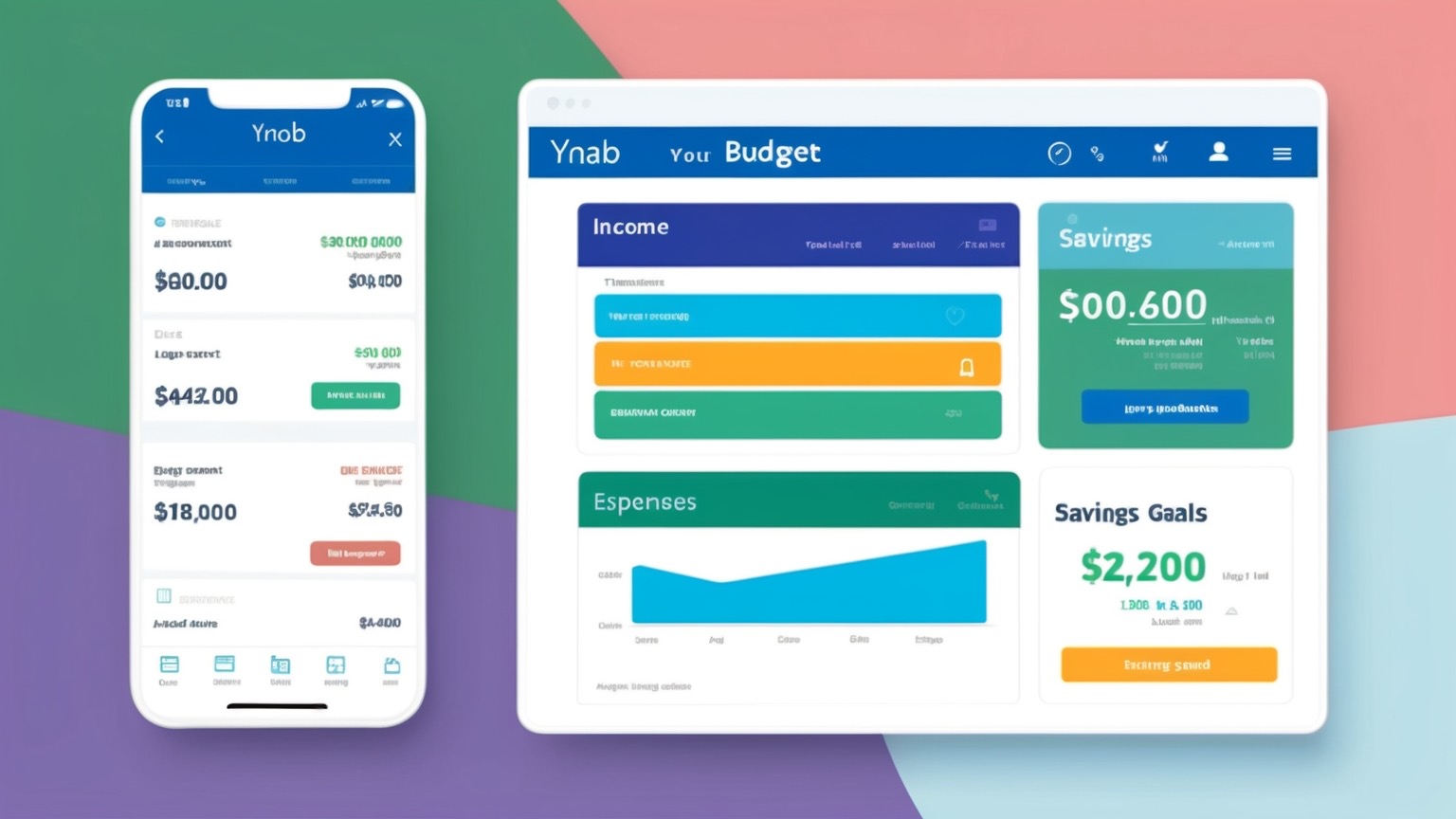
Zero-Based Budget Builder
Allocate every dollar of income to a category before spending. Unbudgeted dollars are visible and prompt action rather than disappearing quietly.
Real-Time Bank Syncing
Connects to bank accounts and credit cards to import transactions automatically. Transactions still require manual categorization, which is by design — the act of categorizing creates awareness.
Goal Tracking
Set savings targets for specific categories — emergency funds, debt payoff, vacation, car replacement. YNAB calculates how much to allocate monthly to hit each target by your deadline.
Sinking Fund Support
YNAB is particularly strong for irregular expenses. Create a category for car maintenance, medical costs, or annual subscriptions and fund it monthly so the expense never surprises you.
Reporting and Trends
View spending by category over time, track net worth (assets and liabilities), and review income versus spending reports by month. Useful for identifying persistent overspending patterns.
Cross-Platform Access
Available on iOS, Android, and web with real-time sync across all devices. Transactions entered on your phone appear immediately in the web app and vice versa.
Pricing
| Plan | Price | Notes |
|---|---|---|
| Free Trial | $0 for 34 days | No credit card required — longest free trial in the category |
| Monthly | $14.99/month | Flexible, cancel anytime |
| Annual | $109/year (~$9.08/month) | Saves approximately $71 annually versus monthly billing |
YNAB offers college students a free one-year subscription with a valid .edu email address. For users committed to working the system, the annual plan typically pays for itself through improved spending awareness within the first month or two.
Pros and Cons
What YNAB Does Well
— Zero-based methodology is highly effective for debt elimination and behavior change
— Excellent sinking fund and irregular expense planning
— 34-day free trial with no credit card required
— Strong educational resources including free workshops and tutorials
— Active community for accountability and questions
— Clean, modern interface across all platforms
— Goal tracking with clear monthly contribution targets
— Works well for irregular income earners who need to plan by actual dollars received
Where YNAB Falls Short
— Requires active daily or weekly engagement — not a set-it-and-forget-it tool
— Learning curve of 2–4 weeks before the system feels natural
— No investment tracking or net worth dashboard beyond basic asset/liability view
— Manual transaction review required even with bank syncing
— Subscription cost may feel high for users who want a free option
— Can feel overwhelming for users who prefer a simpler, less hands-on approach
Who YNAB Works Best For
YNAB is the right tool if you want total visibility and control over every dollar you earn. It is particularly effective for people paying off debt, building a first emergency fund, or breaking the paycheck-to-paycheck cycle — because those goals require behavioral change, and YNAB is built to produce exactly that.
It works well for people with irregular income because the system is built around dollars you actually have rather than projected income. Freelancers and contractors who get paid inconsistently often find zero-based budgeting more reliable than percentage-based systems that assume a steady monthly amount.
It also works well for couples managing shared finances. YNAB supports multiple users on one account, so both partners see the same budget in real time. When one partner makes a purchase, the other sees the category update immediately.
YNAB is not the right fit if you want automation to do most of the work. If your goal is a system that runs in the background — syncing accounts, categorizing transactions, and tracking your net worth with minimal input — a tool with stronger automation is a better match. The Monarch Money review covers how a cash-flow approach handles automation differently for users who want less manual engagement.
The key question: Do you want to be actively involved in every budget decision, or do you want a system that handles most of the tracking automatically? YNAB is built for the former. If you want the latter, start with a more automated tool and consider YNAB once you have a solid budgeting foundation in place.
Is YNAB Worth It for You?
YNAB works best when you want an active budgeting system, not a passive tracking app. That is the real divide. Some people love YNAB because it forces clarity before money leaves the account. Others quit because that same hands-on process feels like too much work.
YNAB is worth it if:
— You want full control over every dollar
— You are paying off debt or building your first emergency fund
— You are willing to review transactions regularly
— You want a system that changes spending behavior
YNAB may fail for you if:
— You want budgeting to run mostly in the background
— You dislike manual category decisions
— You mainly want net worth or investment tracking
— You are unlikely to use it consistently after the trial
Bottom line: YNAB is not just a budgeting app. It is a behavior-change system. If you work the system, it can be worth the price. If you want mostly automated tracking, a more hands-off tool may fit better.
Getting Started With YNAB
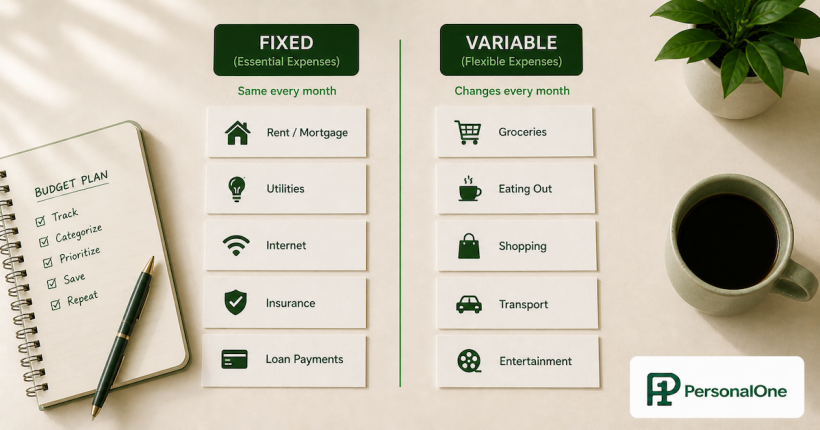
Day 1: Start the 34-day free trial at ynab.com. Connect your bank accounts and credit cards. Let YNAB import recent transactions. Set up your initial budget categories based on your actual fixed expenses: rent, utilities, insurance, subscriptions, and debt minimums.
Days 2–7: Allocate your available dollars across all categories until you reach zero. Add sinking fund categories for irregular expenses like car maintenance, medical, and holidays. Review imported transactions and categorize them manually to start building awareness.
Week 2–3: Spend time in the free workshops YNAB offers. Most users report that the methodology clicks around the two-week mark once they have navigated their first budget adjustment — moving money from one category to cover an overage in another.
Ongoing: The system requires a daily or every-other-day transaction review — roughly 5–10 minutes. Weekly, do a full budget check to make sure categories are funded for the rest of the month. Monthly, review your spending reports and adjust category allocations based on what actually happened versus what you planned. Understanding how modern FinTech tools fit into a complete financial system helps clarify where YNAB fits relative to banking, investing, and automation tools you may already be using.
YNAB is one approach. The full landscape is broader.
The Budgeting Apps & Financial Automation cluster covers the full range of tools — from zero-based frameworks like YNAB to fully automated cash-flow systems — so you can choose the structure that fits how you actually want to manage your money.
Explore Budgeting Apps & Financial Automation →Resources
CFPB — Budgeting Tools and Resources
Federal Reserve — Report on the Economic Well-Being of U.S. Households
Continue Learning About FinTech & Modern Money Tools
This review covers YNAB as a zero-based budgeting tool. The complete framework for evaluating and using modern financial technology is in the FinTech & Modern Money Tools authority hub.
Frequently Asked Questions
Is YNAB worth the subscription cost?
For people committed to the zero-based method, yes. The typical YNAB user who actively works the system reports saving more than the subscription cost within the first month through increased spending awareness alone. The 34-day free trial gives you enough time to run a full budget cycle before committing. If you are not willing to engage with it regularly, the subscription cost is unlikely to deliver value — the tool only works if you use it consistently.
How long does it take to learn YNAB?
Most users feel comfortable with the core concepts within two to four weeks. The learning curve comes from the zero-based methodology itself rather than the software interface. YNAB offers free live workshops and a structured onboarding flow that accelerate the process significantly. Plan for one full budget cycle before judging whether it works for you.
Can YNAB handle irregular income?
Yes — YNAB is well suited for variable income. Because you only budget dollars you actually have, there is no reliance on projected monthly income. When a payment arrives, you allocate those dollars. When a slow month happens, you allocate less. This approach works better for freelancers and contractors than percentage-based budgeting systems that assume consistent monthly income.
Does YNAB track investments?
YNAB includes a basic net worth view that can incorporate asset and liability values, but it is not a portfolio tracker. You can manually add account balances to track net worth directionally, but YNAB does not connect to brokerage accounts or provide investment performance analysis. If investment tracking is a priority alongside budgeting, a tool with dedicated portfolio features is a better fit.
How does YNAB compare to Monarch Money?
The core difference is philosophy and effort level. YNAB uses zero-based budgeting and requires active daily engagement with manual transaction review. Monarch uses a cash-flow approach with strong automation and minimal manual input. YNAB is better for people who want strict category control and behavioral accountability. Monarch is better for people who want a more automated experience that includes investment tracking and net worth monitoring alongside budgeting. Neither is objectively better — the right tool depends on how hands-on you want to be. See the full Monarch Money review for a detailed comparison.
Is there a free version of YNAB?
YNAB does not offer a permanent free tier. The 34-day free trial is the longest in the budgeting app category and requires no credit card to start. College students with a valid .edu email address qualify for a free one-year subscription. After the trial period, the subscription is $14.99 per month or $109 per year. For users who need a permanently free option, other tools in the budgeting apps and financial automation cluster offer no-cost tiers with reduced features.
Disclaimer: This article is for educational purposes only and does not constitute financial advice. Product features, pricing, and availability are subject to change — always verify current details directly with the provider before making decisions. This article does not contain affiliate links to YNAB. PersonalOne is not responsible for decisions made based on this content.