Updated: February 03, 2026 • 9 min read
Home › FinTech & Modern Money Tools › Budgeting Apps & Financial Automation › Best Budgeting Apps for Gen Z (Free + Paid)
About the Author
Don Briscoe is a Financial Systems Strategist with 12+ years of experience helping Millennials and Gen Z escape paycheck-to-paycheck cycles. He founded PersonalOne on a framework-first philosophy — less willpower, more infrastructure — and provides structured, honest, free financial education.
FinTech Budgeting Apps & Tools for 2026
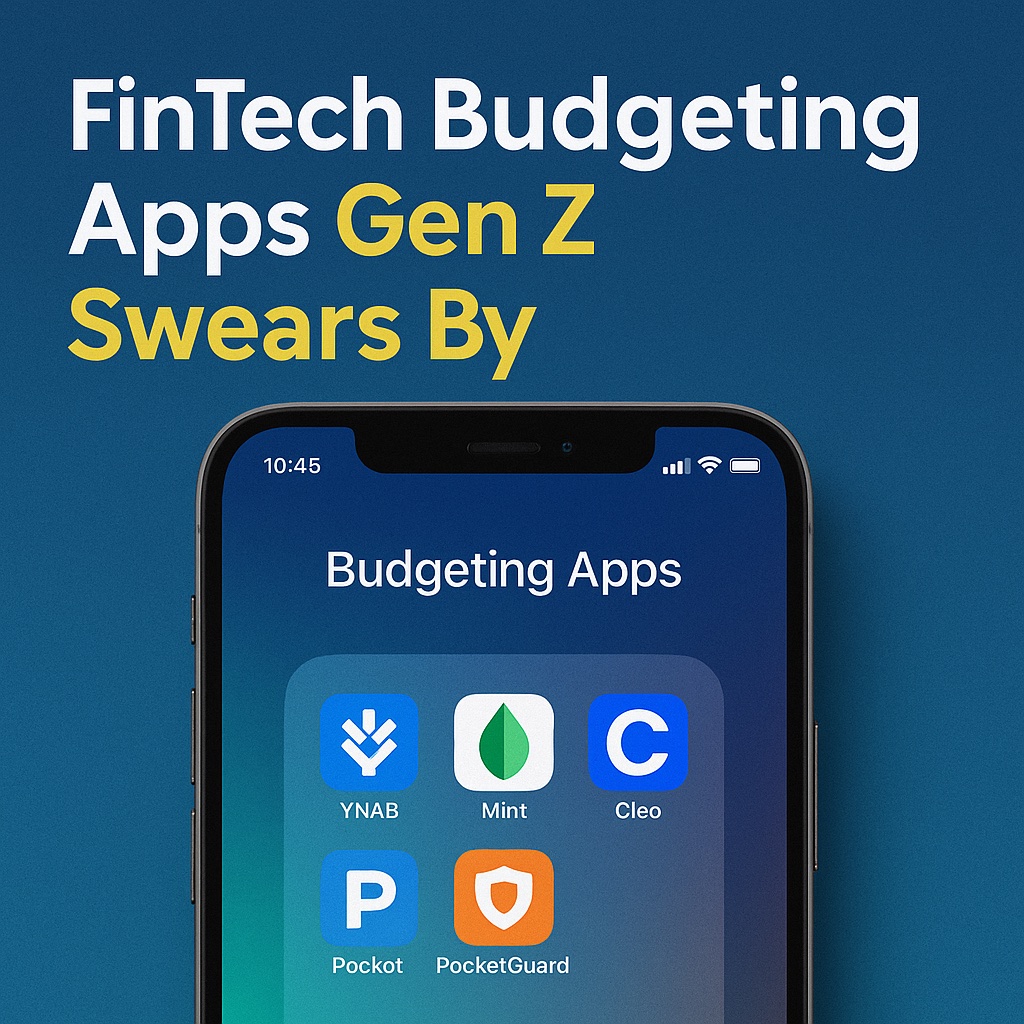
Budgeting with a spreadsheet feels like homework. Today's FinTech apps automate tracking, categorization, and goal-setting — designed for how digital natives actually manage money. Here's what's worth using and why.
TL;DR
- Over 55% of Gen Z now use budgeting apps regularly — not because they're disciplined, but because the apps finally match how they live
- Top options in 2026: YNAB, Monarch Money, PocketGuard, Empower, and Cleo — each built for a different money style
- Automation is the core advantage: transactions sync automatically, AI assigns categories, and insights appear without manual data entry
- No spreadsheets required — these tools do the tracking so you can focus on the decisions
- The right app depends on your style: zero-based control (YNAB), all-in-one visibility (Monarch), spending guardrails (PocketGuard), long-term wealth (Empower), or AI with attitude (Cleo)
Budgeting with a spreadsheet feels like homework. And if there's one thing Gen Z and Millennials don't mess with, it's doing unnecessary work. That's where FinTech comes in.
Today's budgeting apps are sleek, smart, and tailor-made for digital natives. Whether you're fresh out of college or balancing rent and side gigs, these tools handle the tracking infrastructure so your financial decisions have real data behind them. A 2025 Emarketer report found over 55% of Gen Z now use budgeting apps regularly — because they actually work.
This is a supporting post within the Budgeting Apps & Financial Automation hub — covering which specific apps are worth considering and what each one is best for, so you can choose without testing five of them yourself.
The Best FinTech Budgeting Apps for Young Adults in 2026
1. YNAB (You Need A Budget)
Best for: Intentional spenders who want maximum control over every dollar
YNAB forces every dollar to pull its weight. The zero-based budgeting philosophy — give every dollar a job before you spend it — is perfect for people who want to stop winging it and start owning their money decisions. The app teaches the methodology while you use it, turning budgeting from a chore into a skill over 30-60 days.
Key features:
- Real-time transaction syncing across all accounts
- Goal tracking with visual progress
- Debt payoff calculators built in
- Educational resources and live workshops
2. Monarch Money
Best for: People who want budgeting, investing, and goals in one dashboard
Monarch does everything — budgeting, goal setting, investment tracking, subscription detection, and household collaboration. The automated cash-flow approach means less manual work than YNAB, with comparable visibility. If you want a single dashboard that shows both where your money is going and whether your net worth is growing, Monarch is the strongest all-around option on this list.
Key features:
- Customizable spending categories with AI auto-categorization
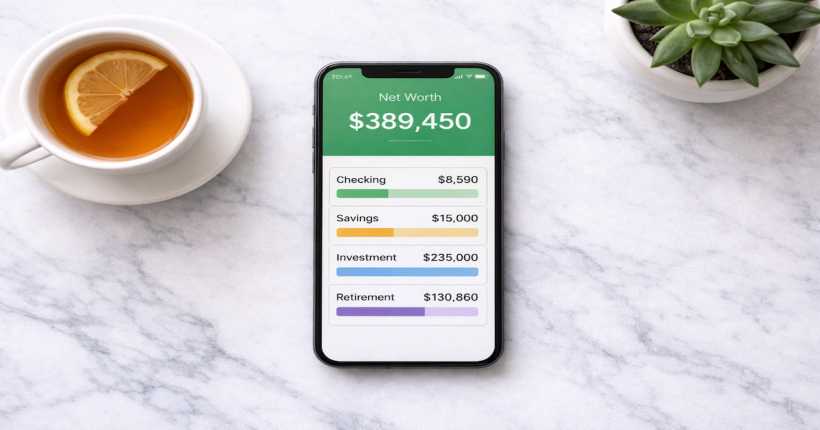
- Net worth tracking across all accounts including investments
- Shared household budgets for couples at no extra charge
- Subscription detection and recurring bill alerts
- No ads, no data selling
Try Monarch Money free for 7 days (affiliate) • Full Monarch review
3. PocketGuard
Best for: Impulse spenders who need a spending guardrail
PocketGuard tells you exactly how much you can spend right now without messing up your bills or savings goals. The "In My Pocket" feature calculates available spending money after accounting for bills, savings targets, and necessities — it's like your wallet with a warning light built in. Strong for people whose main problem is overspending in the moment rather than big-picture planning.
Key features:
- "In My Pocket" real-time spendable calculation
- Bill tracking and payment reminders
- Subscription monitoring and cancellation prompts
- Debt payoff planning tools
4. Empower (formerly Personal Capital)
Best for: Millennials building toward long-term wealth
Empower blends day-to-day budgeting with investment tracking, net worth monitoring, and retirement planning projections. It's particularly strong for people who want to see how today's spending decisions compound into long-term wealth — or don't. If you have investment accounts and want your budgeting tool to account for them, Empower is designed for exactly that.
Key features:
- Investment performance tracking across all accounts
- Retirement planner with forward projections
- Fee analyzer that identifies hidden investment account fees
- Cash flow analysis with income and expense breakdown
5. Cleo
Best for: People who want financial coaching with personality
Cleo is an AI-powered financial assistant that uses conversational chat to make budgeting feel less like a chore. It tracks spending, sets saving challenges, and delivers insights in a direct, sometimes irreverent tone that resonates with Gen Z's communication style. Cash advance features exist but come with eligibility requirements — the core value is the visibility and behavioral nudges, not the lending product.
Key features:
- AI-powered spending insights via conversational chat
- Savings challenges and automated savings goals
- Subscription tracking and spending pattern alerts
- Cash advance feature (eligibility-based, some features region-locked)
Meet Cleo • How to evaluate app security before connecting accounts
Why These Apps Work for Gen Z and Millennials
The adoption gap between these tools and traditional budgeting methods comes down to friction. Spreadsheets require manual entry, regular reconciliation, and consistent discipline to maintain. These apps eliminate all three requirements — transactions sync automatically, categories get assigned by machine learning, and insights surface without any manual work.
For a generation that built financial habits in the smartphone era, the lower the friction, the higher the consistency. Consistency is what actually produces behavioral change — not the app itself.
Automation-first design
Transactions sync and categorize without manual input — the system runs whether or not you check it daily
Customizable to real life
Categories, alerts, and goals built around how you actually spend — not a generic budget template from 1995
Financial literacy built in
Many tools surface insights and explanations while you use them — building knowledge through practice rather than separate study
Visual progress tracking
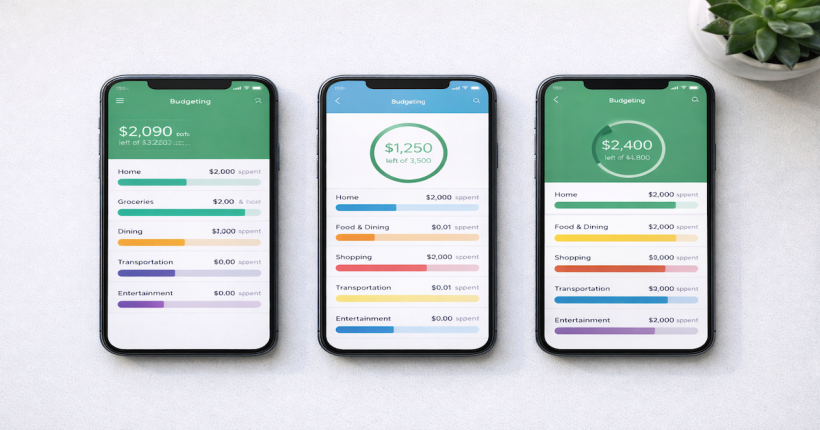
Charts, progress bars, and net worth graphs make abstract financial concepts immediately concrete and motivating
The real power comes when you combine app-based automation with a structured budget framework. The apps handle the tracking infrastructure — understanding where money goes and deliberately deciding where it should go requires the framework underneath. Tracking every dollar you spend explains how to build that awareness layer before automating it.
How to Choose the Right Budgeting App
The best budgeting app is the one you'll actually open. Five questions to narrow down the right fit:
- What's your primary goal? Tracking spending, automating saving, and building long-term wealth all point to different apps — YNAB, Monarch, and Empower respectively.
- What's your operating style? AI conversation (Cleo), clean dashboard (Monarch), or structured methodology (YNAB)? You'll stick with the format that feels natural.
- What's your main failure mode? Overspending in the moment → PocketGuard. Never knowing overall net worth → Monarch or Empower. No structure at all → YNAB.
- Do you share finances with a partner? Monarch is the only option here with free built-in collaboration — no separate subscription required.
- How complex is your financial life? Multiple investment accounts, variable income, or property values to track? Monarch and Empower handle this better than PocketGuard or Cleo.
If you're starting from scratch with no budget at all, read the beginner's blueprint for budgeting first — it builds the framework these apps are designed to automate.
Budgeting Apps and Your Credit Score
Most people treat budgeting and credit as separate systems. They're not. Consistent budgeting directly protects your credit score by preventing the cash flow gaps that cause late payments — and payment history accounts for 35% of your FICO score.
Apps with bill reminders and calendar alerts help you maintain on-time payment streaks even when income is variable. Debt payoff tracking turns an abstract number into a visible countdown that changes behavior. Understanding how daily money decisions connect to long-term credit building and protection makes budgeting feel less like restriction and more like wealth infrastructure.
Where This Fits in Your Financial System
Budgeting Apps & Financial Automation Hub
The full platform comparison — features, pricing, and which tool fits which financial situation side by side. This post covers the individual apps; the hub covers the complete landscape.
Monarch vs. YNAB: Which Saves More Money?
The two most popular apps on this list go head-to-head. If you've narrowed it down to those two and need help deciding, this comparison breaks down the real-world difference in approach and outcomes.
How to Build a Budget That Actually Works in 2026
Apps automate the tracking — this guide builds the framework underneath. Set category targets and spending rules here first, then let your chosen app enforce them automatically.
10 Proven Budgeting Tips to Boost Your Savings
Tactical strategies that work alongside any budgeting app — how to get more out of the tool you choose through the habits you build around it.
Neobanks & Digital Banking Hub
Budgeting apps work best when your underlying bank account is already no-fee and digital-first. If you're a freelancer or gig worker pairing an app with the right bank account, start with the Neobanks hub for the platform comparison.
Frequently Asked Questions
Are these budgeting apps safe to connect to my bank?
Yes — all five apps on this list use read-only connections, meaning they can see your transactions but cannot move money. Most connect via Plaid, which uses 256-bit bank-grade encryption and never stores your banking credentials directly. For a full breakdown of what to look for before connecting any financial app to your accounts, see the guide on banking security and fraud protection.
Can I use more than one app at the same time?
Technically yes, but it's not recommended. Multiple apps tracking the same accounts create conflicting categorizations, duplicate alerts, and decision paralysis. Pick one primary app and use it consistently for at least 60 days before evaluating whether to switch or add anything.
What if I have irregular income as a freelancer?
YNAB and Monarch are both built to handle variable income. The strategy that works best: budget based on your lowest-earning month from the past six, not your average. In higher-income months, route the surplus to savings or debt payoff automatically. Cash-flow visibility is more important than perfect category allocation when income is variable.
Do these apps sell my data?
Paid apps like Monarch and YNAB generally don't sell user data — that's part of what the subscription fee funds. Free apps with ad-supported models may use anonymized data for advertising purposes. Always read the privacy policy of any app before connecting financial accounts, regardless of what the marketing says.
How long before a budgeting app produces real results?
Most people notice spending pattern awareness within 7-10 days — just seeing the data is itself useful. Behavioral change and actual savings typically show up within 30-60 days of consistent use. The 60-day mark is when the app starts having enough historical data to surface genuinely personalized insights.
Can budgeting apps help with debt payoff?
Yes — YNAB, Monarch, and PocketGuard all include debt payoff planning tools. Seeing your balance decrease on a visual tracker changes the psychology of debt repayment. For the full debt payoff strategy, the debt relief and credit repair hub covers avalanche vs. snowball method, payoff calculators, and how to sequence debt with other financial goals.
Ready to Pick Your App and Build the System?
Budgeting apps handle the tracking. The Budgeting Apps hub covers which platform fits your situation — and how to combine it with the banking and automation layers that make the system run on its own.
Explore the Budgeting Apps Hub →Authority Resources
- Emarketer — Budgeting Tools and Gen Z Adoption (2025): Research data on Gen Z budgeting app usage rates and adoption drivers
- CFPB Budgeting Resources: Official Consumer Financial Protection Bureau guidance on budgeting tools and building financial awareness