July 2026
Home › Credit Building & Protection › Credit Monitoring & Protection › How to Dispute a Credit Report Error Step by Step
What You Need to Know
— Disputing a credit report error is free, federally protected, and something you can do entirely on your own — no credit repair service required.
— Most guides tell you to dispute with the bureau. The more effective strategy is to dispute both the bureau and the data furnisher — the bank or lender that reported the wrong information — simultaneously.
— Bureau-only disputes frequently close as "verified" because the bureau simply re-confirms what the furnisher already reported. Furnisher disputes force the source to fix the record.
— The FCRA gives bureaus 30 days to investigate and respond. If they fail to investigate or the furnisher cannot verify the information, it must be removed.
— Errors are more common than most people realize. The CFPB estimates that one in five consumers has at least one error on a credit report — most go undetected and unresolved because nobody looked.
Knowing how to dispute a credit report error is one of the most financially valuable skills you can have — and most people never use it because they don't know the process exists or believe it's more complicated than it is. It isn't. Every consumer has a federally protected right to dispute inaccurate information on their credit report. The process costs nothing, requires no professional help, and when executed correctly, produces results within 30 to 45 days.
What separates the people who successfully resolve disputes from those who spend months in unresolved loops isn't luck or legal expertise. It's understanding that the bureau is not the only party you dispute with — and often not the most important one. The data furnisher, the company that sent the wrong information to the bureau in the first place, has its own legal obligations under the Fair Credit Reporting Act. Disputing both simultaneously is the strategy that closes disputes cleanly and permanently. This guide covers the full process from start to finish — finding errors, documenting them, disputing with the right parties, and escalating when the first round doesn't resolve it.
What Counts as a Disputable Credit Report Error
Before disputing anything, it helps to understand what the FCRA actually defines as inaccurate — not everything that hurts your score is disputable, and disputing accurate negative information is a waste of time that the bureau will correctly decline to investigate.
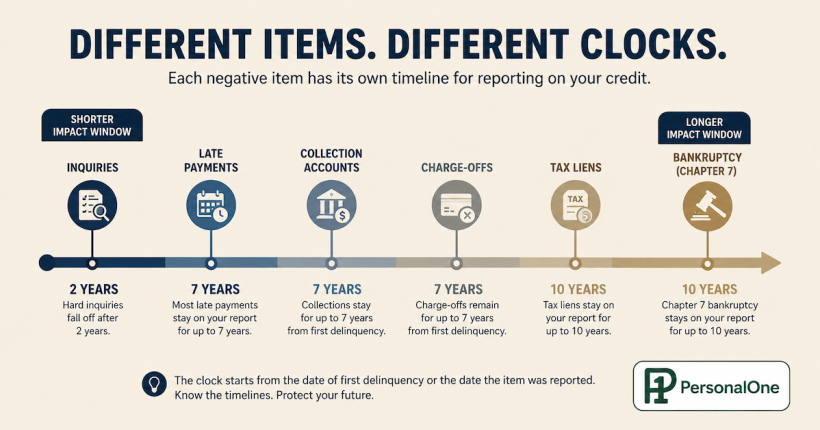
Errors you can and should dispute: Accounts that don't belong to you — someone else's account appearing on your report due to a mixed file or identity theft. Late payment notations on accounts you paid on time, with documentation to prove it. Incorrect account status — an account showing open that you closed, or showing a balance you no longer carry. Duplicate accounts — the same debt appearing more than once. Outdated negative items still reporting after the legal reporting window — most negative items must be removed after seven years; Chapter 7 bankruptcy after ten years. Incorrect personal information — wrong addresses, name variations, or former employer listed as current, particularly if these are being used to tie accounts to your file that aren't yours.
What you cannot successfully dispute: Accurate negative information — a legitimate late payment, a valid collection account, a correctly reported charge-off. These are painful and they hurt your score, but the FCRA requires accurate reporting. The correct strategy for accurate negatives is goodwill adjustment requests, pay-for-delete negotiations, and waiting for the items to age. Disputing accurate information in bad faith wastes time and the bureau is not required to investigate disputes it determines are frivolous. If your score is being held down by accurate negative items rather than errors, the guide on how to increase your credit score quickly covers the legitimate levers — utilization reduction, authorized user strategy, and payment history acceleration — that produce score movement while negative items age out.
Step 1 — Pull Your Reports and Document Every Error
You cannot dispute what you haven't seen. The starting point is pulling your full credit reports from all three bureaus and reading them line by line. AnnualCreditReport.com is the federally mandated free source — it provides reports from Equifax, Experian, and TransUnion at no cost, with weekly free access currently available.
Pull all three simultaneously. The same error often appears on multiple bureau files, but not always — a mistake in a TransUnion file may not exist at Equifax. Disputing each bureau independently is required, and knowing exactly which bureaus have the error tells you where to direct each dispute.
As you review each report, document every potential error with specificity. Note the account name, account number (or the last four digits), the nature of the error, and the exact incorrect information as it appears. This documentation becomes the evidence packet for your disputes. For a structured walkthrough of what to look for and how to read each section of your report, how to do a credit report checkup and fix errors covers the full review process including what each section of a credit report means and the specific line items most likely to contain errors.
Step 2 — Gather Your Supporting Documentation
A dispute without documentation is a dispute the bureau can dismiss. Your evidence is what converts a complaint into an obligation to investigate. The documentation you need depends on the error type.
For a late payment you dispute: Bank statements, payment confirmation emails, or screenshots showing the payment was made on or before the due date. If you paid by check, a cancelled check or bank record showing it cleared. If the payment was returned due to an error and you corrected it within a short window, documentation of the returned payment, the correction, and any communication with the creditor acknowledging it.
For an account that isn't yours: A statement or letter confirming the account doesn't belong to you, any identity theft report if applicable, and documentation of your correct identifying information (address history, SSN confirmation through your own records). The bureau will cross-reference the account details against your identifying information as part of the investigation.
For an outdated item still reporting: Documentation of the original delinquency date — the date the account first went negative — to establish that the seven-year clock has expired. Creditors and collectors sometimes reset reporting dates incorrectly; the FCRA requires the clock to run from the original delinquency date, not from a later collection or charge-off date.
For a balance error: Your most recent account statement showing the correct balance, or a payoff letter if the account was paid in full and is still showing an outstanding balance.
Make copies of everything. Send copies, never originals. Keep your originals and a complete set of copies for your records throughout the dispute process.
What I've Seen
The most common reason disputes fail in the first round isn't lack of evidence — it's disputing only with the bureau and not with the furnisher. The bureau sends a data verification request to the furnisher. The furnisher, which often has its own data entry error on file, confirms what it reported. The bureau marks it "verified" and closes the dispute. The person is stuck. When you dispute with the furnisher at the same time — in writing, certified mail, with the same documentation — the furnisher is legally obligated to investigate its own records and correct anything it confirms is wrong. That correction flows back to the bureaus automatically. I've seen disputes that stalled for months through bureau-only channels resolve within one cycle once the furnisher letter went out.
Step 3 — Dispute With the Bureau and the Furnisher Simultaneously
This is the step most guides underemphasize, and it's the one that determines whether your dispute resolves in one cycle or drags into multiple rounds. File both disputes at the same time — bureau and furnisher — with the same documentation package.
Disputing With the Bureau
All three bureaus offer online dispute portals, which are the fastest submission method. Online disputes typically initiate the 30-day investigation window immediately upon submission. Each bureau's dispute portal is separate.
Equifax: equifax.com/personal/credit-report-services/credit-dispute. Experian: experian.com/disputes/main.html. TransUnion: transunion.com/credit-disputes/dispute-your-credit.
For each dispute submission, include: the specific account or item being disputed, the exact nature of the inaccuracy, your supporting documentation as attachments, and a clear statement of what correction you are requesting — removal, correction to a specific value, or status update. Be precise. A dispute that says "this account is wrong" gives the bureau far less to investigate than one that says "this account shows a 30-day late payment in March 2024; I have bank records confirming the payment posted on March 12, 2024, three days before the due date."
You can also dispute by mail — which creates a paper trail and gives you certified mail receipts — using the addresses listed on each bureau's dispute page. The CFPB provides a sample dispute letter template at the link in the resources section below. Mail disputes take longer to initiate but carry the same legal weight.
Disputing With the Furnisher
The furnisher is the company that reported the information to the bureau — your bank, credit card issuer, auto lender, collections agency, or other creditor. Under the FCRA, furnishers have their own legal obligations to investigate disputes and correct errors. When a furnisher receives a written dispute, it must investigate, correct any confirmed errors, and notify the bureaus of any corrections.
Send your furnisher dispute by certified mail with return receipt requested. This creates a documented record that the furnisher received your dispute — which matters if you need to escalate later. Address your letter to the creditor's billing disputes or credit reporting department, not general customer service. Include the same documentation you sent to the bureau, your full name and account number, a clear description of the error, and the specific correction you are requesting.
The furnisher has 30 days to investigate and respond under the FCRA. If the furnisher confirms the error, it will correct its records and notify the bureaus — which updates your credit report automatically. This is why furnisher disputes are often more effective than bureau-only disputes: you're going to the source of the data rather than asking an intermediary to verify what the source already reported.
Step 4 — Track the Investigation and Review the Outcome
Once your disputes are filed, the 30-day investigation clock begins. The bureau must complete its investigation and notify you of the results within 30 days of receiving your dispute — extended to 45 days if you provide additional information during the investigation period. The bureau notifies you in writing (or electronically if you filed online) with the outcome: verified as accurate, corrected, or deleted.
If the error is corrected or deleted, request a free updated copy of your credit report from that bureau to confirm the change appears correctly. The bureau is required to send you a free copy of your updated report if a dispute results in a change. Also verify that the correction has propagated correctly — if the same error appeared at multiple bureaus, confirm each one was addressed.
A successfully resolved dispute often produces immediate score movement, particularly when the removed item was a derogatory mark or a high reported balance. If you're tracking score recovery alongside the dispute process, the structured 90-day framework in how to fix your credit in 90 days maps the three-action sequence — dispute resolution, utilization reduction, and payment protection — and what each one realistically produces within a single calendar quarter.
Knowing how often you should check your credit report during an active dispute gives you the review cadence to catch whether corrections landed correctly and whether any new errors have appeared while the investigation was underway. Disputes are also a good time to ensure your monitoring system is set up to alert you to any further changes — particularly if the error was related to identity theft or a mixed file.
Step 5 — Escalate If the First Round Doesn't Resolve It
A "verified as accurate" outcome from the bureau is not necessarily final. If you have documentation that contradicts the bureau's conclusion, you have several escalation options — each progressively stronger.
Add a consumer statement. You can add a 100-word statement to your credit report explaining your position on a disputed item. This doesn't change the data but it does appear on your report when lenders pull it, giving context to anyone reviewing your file. It's a low-effort step that costs nothing and provides at least some transparency to future creditors.
File a CFPB complaint. The Consumer Financial Protection Bureau accepts complaints against credit bureaus and furnishers. When a CFPB complaint is filed, the bureau or furnisher is required to respond — and CFPB complaints carry regulatory weight that a direct dispute does not. Many disputes that stalled in the standard process resolve quickly after a CFPB complaint is filed. File at consumerfinance.gov/complaint.
File an FTC report. If the error is related to identity theft, filing an identity theft report at IdentityTheft.gov creates a formal federal record and gives you additional legal protections under the FCRA, including the right to an extended fraud alert and block of fraudulent information. A credit freeze placed after identity theft is confirmed provides the strongest ongoing protection — the full process for placing one is covered in the guide on credit freeze setup and identity theft protection.
Consult a consumer law attorney. The FCRA gives consumers the right to sue credit bureaus and furnishers for willful or negligent violations. If a bureau has repeatedly failed to investigate or correct a documented error, an FCRA attorney can evaluate whether you have grounds for legal action. Many FCRA attorneys work on contingency — meaning no upfront cost — because successful plaintiffs can recover damages and attorney fees under the law. The National Consumer Law Center maintains a directory of consumer attorneys at nclc.org.
When to Consider a Fraud Alert Alongside Your Dispute
If the error on your report is an account you don't recognize, a hard inquiry you didn't authorize, or personal information that doesn't match yours, these are potential signals of identity theft — not just a data entry mistake. In that situation, the dispute process is necessary but not sufficient on its own.
A fraud alert on your credit file notifies lenders to take extra verification steps before approving new credit in your name — providing a layer of protection while you investigate the unauthorized activity. An initial fraud alert lasts one year and requires contacting only one bureau, which then notifies the other two. Understanding the full mechanics of how a fraud alert protects your credit file — including the difference between an initial alert, an extended alert, and an active duty alert — helps you choose the right level of protection for your situation.
Protect What You're Building
Dispute resolution is one layer of the credit protection system. The Credit Monitoring & Protection cluster covers monitoring tools, fraud alerts, credit freezes, and identity theft recovery — everything you need to guard your credit file at every stage.
Explore the Full Protection SystemMonitoring Prevents the Next Error From Going Undetected
One successfully resolved dispute doesn't protect your report from future errors. Errors appear continuously — new accounts are reported, existing accounts update, and data entry mistakes happen at every stage of the furnisher-to-bureau pipeline. A monitoring system that alerts you to changes on your credit reports as they occur means future errors get caught within days rather than months or years later when the damage is already done.
For most people the right setup is a free monitoring tool with alerts plus periodic full report reviews. The comparison of free vs paid credit monitoring breaks down exactly what each tier covers and which situations justify the cost of paid tri-bureau monitoring over the free alternatives.
If you're evaluating specific free tools, the detailed review of whether Credit Karma is worth using for credit monitoring covers where its two-bureau coverage is sufficient for ongoing detection and where the gaps are — relevant context for anyone deciding how to structure their monitoring stack after resolving a dispute.
Government Resources
CFPB — How to Dispute a Credit Report Error — Official guidance including sample dispute letter templates for both bureaus and furnishers.
FTC — Disputing Errors on Your Credit Reports — Step-by-step process and your legal rights under the FCRA.
CFPB — Submit a Complaint — File a complaint against a bureau or furnisher if your dispute is not properly investigated.
AnnualCreditReport.com — Free weekly reports from all three bureaus. The required starting point for any dispute process.
IdentityTheft.gov (FTC) — Report identity theft and generate a personalized recovery plan if unauthorized accounts are the source of the error.
Return to the full credit building and protection guide for a complete overview of every credit strategy covered on PersonalOne.
Frequently Asked Questions
How long does a credit report dispute take?
The FCRA gives bureaus 30 days to investigate and respond from the date they receive your dispute — extended to 45 days if you submit additional information during the investigation. Most online disputes move faster, with many resolving in 2 to 3 weeks. Furnisher disputes run on the same 30-day timeline. If you file both simultaneously, the resolution timelines overlap rather than stack — your total dispute window is typically 30 to 45 days for the first round, not 60 to 90.
Can I dispute a credit report error myself or do I need a credit repair company?
You can do it entirely yourself at no cost. Everything a credit repair company does on your behalf — pulling reports, writing dispute letters, submitting to bureaus and furnishers, following up — you can do yourself using the same federally mandated process. The Credit Repair Organizations Act requires credit repair companies to disclose this to you in writing. If your situation is genuinely complex — multiple fraudulent accounts, cross-bureau errors, or disputes that have stalled for months — professional help can accelerate the process, but the DIY path produces the same legal results for straightforward errors.
What happens if the bureau says the disputed information is accurate?
A "verified as accurate" response is not final. If you have documentation that contradicts the outcome, your escalation path is: add a consumer statement to your report, file a CFPB complaint, contact the furnisher directly if you haven't already, and consult an FCRA consumer attorney if the bureau continues to report inaccurate information after documented disputes. Bureaus that willfully fail to investigate or correct verified errors can be held liable under the FCRA — successful plaintiffs can recover actual damages, statutory damages, and attorney fees.
Does disputing a credit report error hurt my credit score?
No. Filing a dispute does not affect your credit score. The dispute process is entirely separate from the scoring calculation. Your score may change as a result of a successfully resolved dispute — if a negative item is removed or corrected, your score typically improves — but the act of disputing itself has no impact in either direction.
Do I have to dispute the same error at all three bureaus separately?
Yes, if the error appears at more than one bureau. Each bureau maintains its own independent file and each dispute must be filed independently with the bureau showing the error. When you dispute with the furnisher, the correction the furnisher makes flows to all bureaus it reports to — which is one reason furnisher disputes are so valuable when an error appears across multiple bureau files. A single furnisher dispute can correct the record at all three bureaus simultaneously, while bureau-only disputes must be filed separately at each.
How do I know if my dispute was received and is being investigated?
Online disputes generate a confirmation number and usually send a confirmation email immediately upon submission. Bureau portals allow you to track dispute status online through the same account you used to file. Mail disputes should be sent certified mail with return receipt requested — the signed return receipt is your proof of delivery. The bureau is required to notify you of the investigation outcome in writing within the 30-day window. If you haven't received a response after 35 days, follow up directly with the bureau's dispute department and reference your confirmation number or certified mail tracking number.
This article is for educational purposes only and does not constitute legal or financial advice. Credit dispute processes and timelines are governed by the Fair Credit Reporting Act and may vary based on individual circumstances. For complex disputes or potential FCRA violations, consult a qualified consumer law attorney. PersonalOne is a free financial education platform and does not offer credit repair services.